
Casinos That Accept CashtoCode in Australia: Where Privacy Meets Pokies
 Available in AU

CashtoCode sits in a specific corner of the Australian online casino payment landscape. Not the fastest option. Not the cheapest. Not accepted everywhere. But for players whose banks have started blocking gambling transactions or who simply want no digital trail between their account and a casino, it solves one problem very well.
The mechanism is straightforward. Buy a voucher at a retail outlet or through an online reseller. Punch in the code at the casino cashier. Money lands in your account within seconds. No bank statement entry. No card details shared with the operator. No payment processor flagging your transaction as gambling-related and declining it halfway through.
Australian banks have gotten more aggressive about this. Some institutions quietly decline payments to known offshore casino merchants. Others charge additional fees. A few have started sending “concern” letters to customers with frequent gambling transactions. CashtoCode sidesteps all of that because from your bank’s perspective, you bought a voucher. What you do with that voucher is invisible to them.
The trade-off is cost and convenience. You’re paying a markup on the voucher purchase, typically three to eight percent of face value. You’re adding a step to the deposit process—either driving to a store or waiting for an online reseller to deliver the code via email. And you’re accepting that withdrawals will need a different method entirely, because CashtoCode doesn’t support cashouts.
This guide covers ten offshore casinos that accept CashtoCode from Australian players, breaks down exactly how the voucher system works in practice, explains the fee structure with actual numbers, and addresses the regulatory reality that none of these operators hold Australian licences. If you’re weighing whether CashtoCode makes sense for your situation, the answer depends entirely on how much you value privacy versus cost and convenience.
What Is CashtoCode and Why Australian Players Use It
CashtoCode launched in Germany in 2016 as a prepaid voucher system operated by Finanga AG. The original market was European, covering the UK, Italy, France, and Germany under strict German regulatory oversight. That regulatory foundation gave the payment method early credibility—users trusted it because it operated under Federal Republic of Germany rules from day one.
The service expanded globally over the following years, reaching Australia, New Zealand, South Africa, Brazil, Mexico, Nigeria, India, and Russia. The core mechanism stayed the same: purchase a voucher with a unique code, redeem that code at a merchant, and the voucher’s value transfers to your account. No middleman. No registration. No ongoing relationship with CashtoCode itself beyond the single-use transaction.
For Australian players in 2026, the appeal is threefold. First, the voucher is denominated in AUD, so there’s no currency conversion and no exchange rate uncertainty. Available denominations are twenty-five, fifty, one hundred, one hundred fifty, two hundred, and four hundred dollars. Second, the transaction leaves no trace on your bank statement beyond the voucher purchase itself—and if you bought it with cash at a retail location, there’s no bank record at all. Third, offshore casinos never see your banking details, which matters if you’re concerned about data security at operators licensed in jurisdictions with weaker cybersecurity standards than Australia.
The practical use case is narrow but real. If your bank has blocked a card payment to an offshore casino, CashtoCode works because the bank only sees a voucher purchase, not a gambling transaction. If you want to keep your casino spending separate from your main financial footprint—perhaps for privacy within a household, or to avoid triggering bank algorithms that monitor gambling activity—a prepaid voucher accomplishes that. If you’ve experienced a data breach at an online merchant before and now prefer not to share card details with offshore operators, CashtoCode limits your exposure to the voucher amount only.
The limitation is equally clear. CashtoCode is deposit-only by design. Voucher systems don’t support reverse transactions, so when you win and want to cash out, you’ll need a bank transfer, an e-wallet, or a cryptocurrency withdrawal. That means setting up at least one additional payment method at the casino. Processing times for those withdrawal methods range from ten minutes for crypto to seven business days for bank transfers, and all of them require identity verification before your first cashout.
How does CashtoCode work in practice?
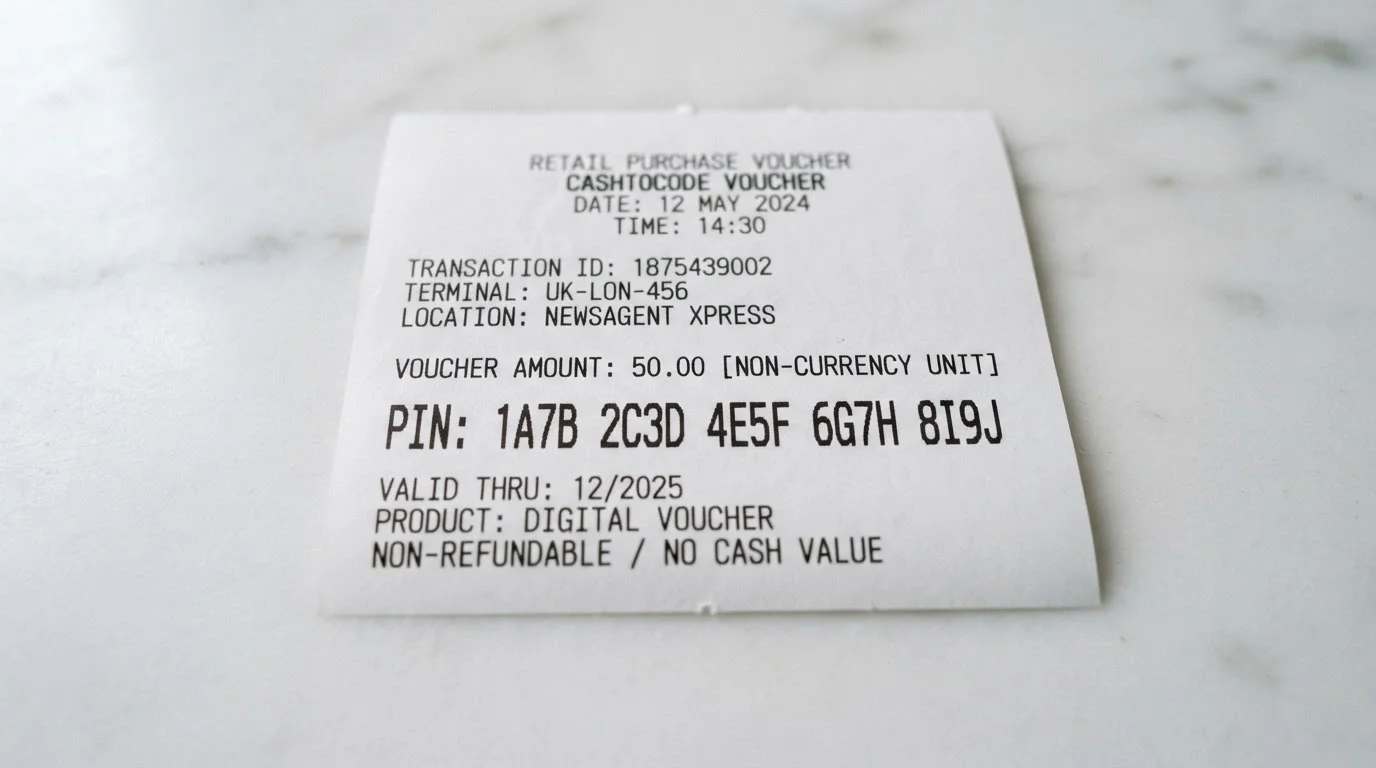
You buy a voucher online through an authorized reseller like SEAGM or Recharge, or in person at a retail partner. Online purchases are instant—pay with a card, PayPal, Apple Pay, or Google Pay, and the twenty-digit PIN code arrives in your email within seconds. Retail purchases involve handing over cash at the counter and receiving a printed receipt with the code. The retailer charges a service fee, typically three to eight percent of the voucher’s face value. For a one-hundred-dollar voucher purchased at Recharge, the total cost is one hundred five dollars ninety-nine cents—a 5.99 percent markup.
Once you have the code, log into your casino account, navigate to the cashier section, select CashtoCode from the deposit methods, and enter the twenty-digit PIN. The casino processes the transaction instantly. Funds appear in your account within seconds to fifteen minutes depending on the operator’s payment system. There’s no registration step with CashtoCode, no account to create, and no transaction history to review later. The voucher is a bearer instrument—whoever holds the code controls the value.
That bearer-instrument nature creates a risk. If you lose the code before redeeming it, there’s no recovery process. CashtoCode doesn’t maintain user accounts, so there’s no customer support line where you can prove ownership and request a replacement. The voucher is gone. Similarly, if someone else intercepts your email and redeems the code before you do, the value is spent. Once a code is redeemed at a casino, it’s tied to that casino account permanently—you can’t transfer it to another site or get a refund.
The deposit limit per transaction is four hundred dollars, a CashtoCode system constraint rather than a casino-specific rule. If you want to deposit more than four hundred dollars, you’ll need to buy multiple vouchers and submit them as separate transactions. Some casinos impose their own minimum deposit thresholds—typically ten to thirty dollars—which may not align perfectly with voucher denominations. If the casino requires a twenty-dollar minimum and you have a twenty-five-dollar voucher, the excess five dollars stays in your casino account as available balance. If the minimum is thirty dollars and you have a twenty-five-dollar voucher, you’ll need to buy a second voucher to meet the threshold.
Top 10 Australian Online Casinos Accepting CashtoCode in 2026
The offshore casino market serving Australian players is crowded, inconsistent, and littered with operators that vanish within months of launching. The casinos listed below represent the intersection of three criteria: they consistently accept CashtoCode deposits from Australian players, they’ve operated long enough to establish some operational track record, and they hold licences from recognised jurisdictions even if those licences sit well below Australian regulatory standards.
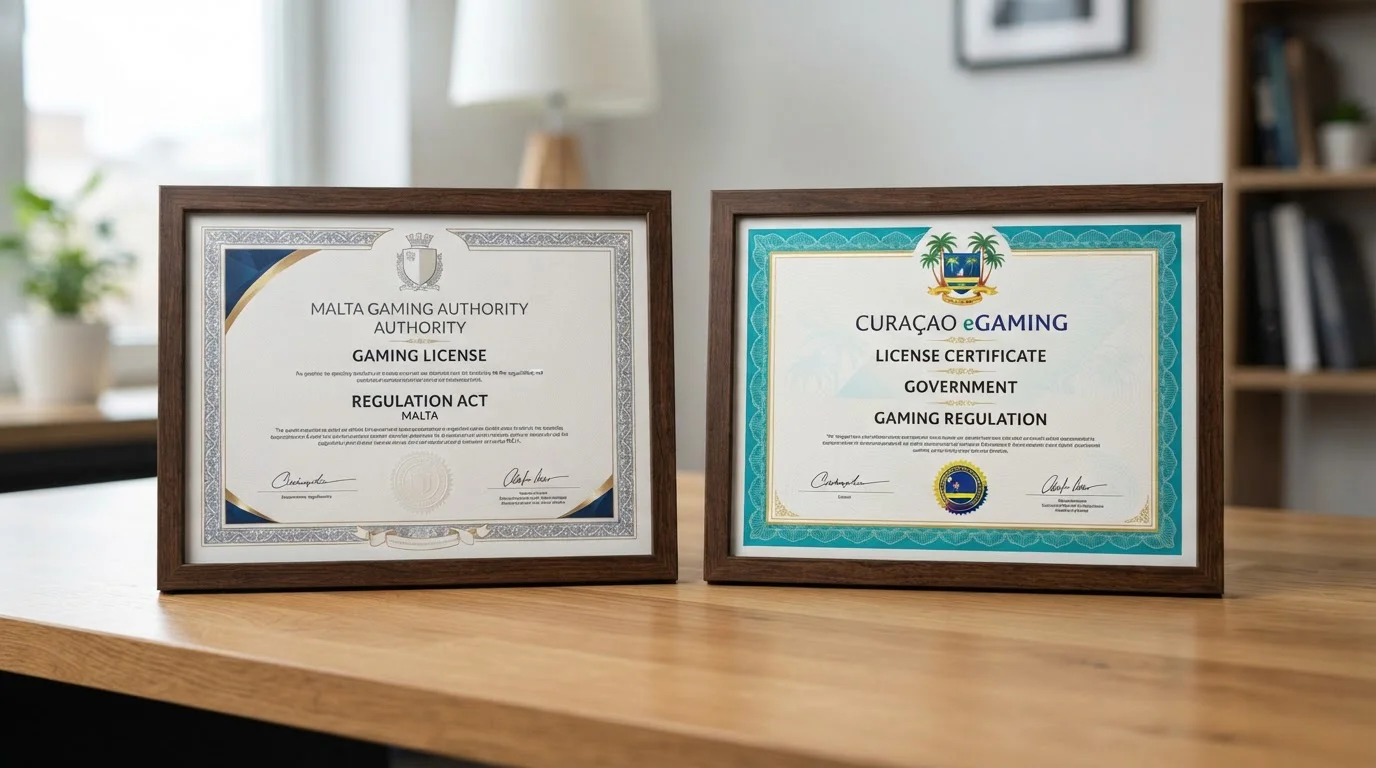
None of these operators are licensed in Australia. The Interactive Gambling Act prohibits online casino licensing post-2001, so every casino accepting Australian players operates from offshore jurisdictions—primarily Curaçao, Malta, and Gibraltar. That legal structure means Australian consumer protection laws don’t apply. If a dispute arises, your recourse is through the offshore licensing authority’s complaints process, which ranges from functional but slow at the Malta Gaming Authority to nearly non-existent at some Curaçao sublicensors.
The comparison table below aggregates key specs. Individual breakdowns follow, two paragraphs minimum per casino, covering what distinguishes each operator and who it suits.
| Operator | Licence | Min Deposit | Withdrawal Limit (Daily) | Distinguishing Feature |
|---|---|---|---|---|
| Jackpot City | Malta Gaming Authority MGA/B2B/139/2007 | AUD 9 | AUD 4,000 | 26 years operational, lowest minimum deposit |
| Spin Casino | Malta Gaming Authority | AUD 20 | AUD 4,000 | Mobile-first design, Palace Group stability |
| PlayAmo | Curaçao eGaming | AUD 20 | AUD 7,500 | 4,400+ games, hybrid crypto-fiat, fast crypto withdrawals |
| BitStarz | Curaçao OGL/2024/165/0185 | AUD 20 | AUD 10,000 | Provably Fair games, 10+ years crypto-native operation |
| Joe Fortune | Curaçao | AUD 25 | AUD 2,500 | Australia-focused, RTG pokies, AEST support hours |
| Ricky Casino | Undisclosed | AUD 20 | AUD 3,000 | Largest bonus headline (AUD 7,500), newer entrant |
| Skycrown Casino | Curaçao OGL/2023/176/0095 | AUD 30 | AUD 7,500 | Highest withdrawal limits for high-rollers |
| Playfina Casino | Curaçao 8048/JAZ2020-13 | AUD 30 | AUD 7,000 | 11,000+ game mega-library, 175-level VIP program |
| RocketPlay Casino | Curaçao OGL/2024/1307/0748 | AUD 20 | AUD 5,000 | Mobile-optimized, eCOGRA certified |
| Bizzo Casino | Curaçao 8048/JAZ | AUD 30 | AUD 3,000 | 8,000+ games, mobile excellence, Cyprus-based operator |
Which specific casinos accept CashtoCode deposits from Australian players in 2026?
The ten operators above all accept CashtoCode deposits from Australian players and process them instantly with no additional casino-side fees beyond the reseller markup you paid when buying the voucher. Minimum deposits range from nine to thirty dollars, with Jackpot City offering the lowest entry point and several Curaçao operators clustering around the twenty-to-thirty-dollar mark.
Jackpot City — Malta Licensed, 26 Years Running
Jackpot City launched in 1998 and is operated by Baytree Interactive Ltd, a Malta-registered entity holding Malta Gaming Authority licence MGA/B2B/139/2007. That makes it the oldest continuously operating casino on this list by a wide margin—twenty-six years as of 2026. Longevity in the offshore casino industry isn’t a guarantee of reliability, but it’s a signal of operational stability. Casinos that vanish after twelve months don’t make it to twenty-six years.
The game library sits around five hundred titles, primarily slots from Microgaming, NetEnt, Pragmatic Play, and Evolution Gaming for live dealer tables. That’s smaller than the mega-libraries at PlayAmo or Playfina, but the selection covers the core verticals Australian players prioritise: pokies, live blackjack, live roulette, and a handful of table game variants. The minimum CashtoCode deposit is nine Australian dollars, the lowest among these ten operators. Withdrawals process within two to five business days after initial identity verification. The casino is eCOGRA certified, an independent testing agency that audits game fairness and payout percentages.
The Malta Gaming Authority licence places Jackpot City in a higher regulatory tier than the Curaçao-licensed operators that dominate this list. MGA oversight is stricter, complaint resolution mechanisms are more functional, and the operator faces real consequences for breaching licence conditions. That doesn’t mean Australian consumer law applies—it doesn’t—but MGA-licensed casinos generally handle disputes more professionally than their Curaçao counterparts. If something goes wrong, your odds of a reasonable resolution are better here than at a low-tier Curaçao operation.
Spin Casino — Mobile-First Malta Platform
Spin Casino is part of the Palace Group portfolio, the same ownership umbrella as Jackpot City. It holds a Malta Gaming Authority licence and operates from the same regulatory foundation. The game library is comparable—around five hundred titles from the same core providers—but Spin Casino differentiates itself through mobile optimization. The platform was rebuilt with mobile-first design principles, meaning responsive layout, touch-optimized controls, and fast load times on Australian mobile networks.
The welcome bonus structure mirrors Jackpot City’s multi-deposit package, with match percentages applied across the first several deposits up to a total cap. Wagering requirements sit in the thirty-five to fifty-times range, standard for MGA-licensed operators. The minimum CashtoCode deposit is twenty Australian dollars, slightly higher than Jackpot City but still accessible for most players. Withdrawal processing follows the same two-to-five-day timeline after KYC verification.
Palace Group’s operational history—over two decades managing multiple casino brands under MGA licensing—translates to predictable service. Customer support is available via live chat and email, though response times can stretch during peak hours. The mobile experience is the primary reason to choose Spin Casino over its sister site Jackpot City. If you play primarily on your phone and want a Malta-licensed operator, this is the strongest mobile-optimized option among the MGA casinos accepting CashtoCode.
PlayAmo — 4,400+ Games, Crypto-Fiat Hybrid
PlayAmo launched in 2016 and is operated by Dama N.V., a Curaçao-registered entity that manages multiple casino brands including BitStarz and Playfina. The casino holds a Curaçao eGaming licence, which sits in Tier 3 regulatory jurisdictions—minimal oversight, weak dispute resolution, easier for operators to obtain but offering less player protection than Malta or UK licences.
The game library is massive: 4,400-plus titles from sixty-five-plus providers. That’s one of the largest selections among CashtoCode-accepting casinos, covering everything from mainstream Pragmatic Play and NetEnt slots to niche providers like Nolimit City and Relax Gaming. The casino positions itself as a hybrid crypto-fiat platform, accepting seven cryptocurrencies—Bitcoin, Ethereum, Litecoin, Bitcoin Cash, Dogecoin, Tether, and Ripple—alongside traditional payment methods including CashtoCode. If you want flexibility to deposit with CashtoCode but withdraw via crypto for faster processing, PlayAmo supports that workflow.
Crypto withdrawals process within ten minutes to one hour, significantly faster than the one-to-three-day wait for fiat withdrawals via bank transfer or e-wallet. The minimum CashtoCode deposit is twenty Australian dollars. The welcome bonus is four hundred fifty dollars plus one hundred fifty free spins with fifty-times wagering, higher than some competitors. A VIP program offers tiered benefits, though the threshold amounts to reach upper tiers are steep.
Curaçao licensing is the trade-off. If a dispute arises—whether over a withheld withdrawal, a voided bonus, or a suspected game malfunction—your complaint goes to the Curaçao eGaming authority, which operates with far less transparency and slower response times than the MGA. Player reviews on aggregator sites show mixed experiences: fast payouts when everything goes smoothly, but prolonged delays and generic support responses when issues surface.
BitStarz — Provably Fair Crypto Casino
BitStarz launched in 2014, making it ten-plus years operational as of 2026. Like PlayAmo, it’s operated by Dama N.V. and holds a Curaçao licence, specifically OGL/2024/165/0185. The casino was built as a crypto-native platform, and that heritage shows in its feature set. Provably Fair games—slots and table games with cryptographic outcome verification—allow players to independently verify that each result was random and not manipulated by the operator.
The game library contains around 3,500 titles, smaller than PlayAmo but still substantial. Crypto withdrawals process within ten minutes to one hour, matching PlayAmo’s speed. CashtoCode deposits are accepted with a twenty-dollar minimum. The welcome bonus structure and ongoing promotions lean heavily toward crypto deposits, though fiat methods including CashtoCode remain eligible for standard offers.
BitStarz suits players who value transparency in game outcomes and want the option to verify fairness cryptographically. The Provably Fair feature doesn’t exist at most fiat-focused casinos because the technology is tied to blockchain-based random number generation. If that level of verification matters to you—particularly if you’ve ever suspected a slot or table game of behaving unfairly—BitStarz offers a solution that MGA-licensed casinos don’t provide. The Curaçao licensing remains the same regulatory weakness as PlayAmo.
Joe Fortune — Australia-Focused RTG Pokies
Joe Fortune markets itself explicitly to Australian players, with AUD-native accounts, customer support hours aligned to Australian Eastern Standard Time, and a game library weighted toward RTG (RealTime Gaming) software. RTG is less common at European-facing casinos but has a dedicated following among Australian players who grew up with titles like Cash Bandits, Aztec’s Millions, and Cleopatra’s Gold.
The operator legal entity isn’t publicly disclosed, a transparency gap that raises minor red flags. The casino holds a Curaçao licence, though the specific sublicense number doesn’t appear prominently on the site. The game library sits around one thousand titles, smaller than the mega-libraries at PlayAmo or Playfina. The minimum CashtoCode deposit is twenty-five Australian dollars. The welcome bonus goes up to five thousand dollars plus four hundred fifty free spins, though the structure heavily favours crypto deposits over fiat.
Joe Fortune’s Australia-specific positioning means the site feels locally tailored—payment methods emphasise AUD options, support agents understand Australian banking systems, and promotional copy references Australian sports and cultural touchstones. The RTG software focus is polarizing: players who enjoy RTG pokies will find more of them here than at NetEnt- or Pragmatic-heavy casinos, but RTG’s graphics and mechanics feel dated compared to modern providers. If RTG nostalgia or Australia-specific customer service hours are priorities, Joe Fortune delivers. If you want cutting-edge slots and transparent licensing, look elsewhere.
Ricky Casino — Massive Bonus Package, New Entrant
Ricky Casino is operated by Fresh Horizons B.V. and positions itself as a newer entrant targeting Australian players. The exact launch year isn’t consistently disclosed across sources, suggesting it’s launched within the past two to three years. The game library contains around two thousand titles. CashtoCode deposits are accepted with a twenty-dollar minimum.
The headline feature is the welcome bonus: up to seven thousand five hundred dollars plus five hundred fifty free spins across multiple deposits. That’s the largest nominal bonus figure among these ten casinos. But large headline bonuses almost always come with restrictive terms, and Ricky Casino is no exception. Wagering requirements sit around forty to fifty times the bonus-plus-deposit amount, maximum bet limits during bonus play cap at five to ten dollars per spin, and bonus expiry periods range from seven to thirty days. For a one-hundred-dollar deposit claiming a one-hundred-dollar bonus, you’d need to wager eight thousand dollars before withdrawing—achievable but time-intensive.
Licensing transparency is poor. Some sources mention a Curaçao licence, others omit it entirely. The Fresh Horizons B.V. entity doesn’t return meaningful results in licence registries, which is concerning for player protection. Without a clearly disclosed licence, there’s no neutral arbiter if disputes arise. third-party comparisons position Ricky Casino as a “top new CashtoCode casino,” but that designation reflects marketing partnerships rather than independent vetting. If you’re drawn by the bonus size, read the full terms before depositing. If licensing transparency matters, skip this one.
Skycrown Casino — High Roller Withdrawal Limits
Skycrown Casino launched in 2022 and is operated by Hollycorn N.V., a Curaçao-registered entity holding licence OGL/2023/176/0095. The casino is eCOGRA certified, adding a layer of third-party audit for game fairness. The game library size isn’t prominently disclosed, suggesting it falls in the standard one-thousand-to-three-thousand-title range for mid-sized Curaçao operators.
The distinguishing feature is withdrawal limits: seven thousand five hundred Australian dollars per day, fifteen thousand per week, and forty-five thousand per month. Those are among the highest daily and weekly caps for offshore casinos serving Australian players. Most operators in this comparison cap daily withdrawals between two thousand and five thousand dollars, making Skycrown appealing for high-rollers or players who hit large wins and want to cash out quickly without splitting the withdrawal across multiple weeks.
The welcome bonus goes up to seven thousand five hundred dollars plus four hundred free spins with forty-times wagering. The minimum CashtoCode deposit is thirty dollars. Withdrawal processing takes one to three days after initial KYC verification. The casino launched in 2022, so it has four years of operational history as of 2026—enough to establish basic reliability but not enough to weather a major market disruption or regulatory crackdown. If you regularly win amounts above five thousand dollars and want faster access to your winnings, Skycrown’s withdrawal limits solve a real problem. For smaller stakes players, the benefit is marginal.
Playfina Casino — 11,000+ Game Mega-Library
Playfina Casino launched in 2022, operated by Dama N.V. under Curaçao licence 8048/JAZ2020-13. The game library is enormous: eleven thousand-plus titles from sixty-five-plus providers. That’s the largest selection among all casinos on this list, covering mainstream slots, live dealer tables, niche providers, crash games, and hundreds of variants across every vertical. If game variety is your primary selection criterion, Playfina delivers more options than any competitor here.
The casino supports thirty-three-plus payment methods including CashtoCode, crypto, e-wallets, and cards. The minimum CashtoCode deposit is thirty dollars. Withdrawals are zero-fee across most payment methods, though processing times vary by method—crypto within an hour, e-wallets one to three days, bank transfers three to seven days. The welcome bonus reaches up to six thousand five hundred dollars plus one thousand free spins with forty-times wagering.
The VIP program is ambitious: one hundred seventy-five levels with real-world prizes at upper tiers, including luxury watches, cars, and paid holidays. The marketing pitch is compelling, but verify actual prize delivery through independent player reviews before chasing VIP status. Some offshore casinos advertise extravagant VIP rewards that turn out to be heavily restricted or never awarded in practice. Playfina’s game library is its genuine strength. If you get bored easily and want endless variety, this is the broadest selection available. The Curaçao licensing and VIP program transparency remain question marks.
RocketPlay Casino — Mobile-Optimized Real Money Play
RocketPlay Casino is operated by TechOptions Group B.V. under Curaçao licence OGL/2024/1307/0748. The casino is eCOGRA certified and emphasises mobile-first design. The game library size isn’t prominently disclosed, suggesting a mid-range selection. The minimum CashtoCode deposit is twenty dollars. AUD and crypto support are both available.
third-party comparisons designate RocketPlay as a “leading real money CashtoCode casino,” a marketing angle emphasising cashout reliability. That positioning is worth scrutinizing through player reviews on independent forums—offshore casinos frequently tout fast payouts in marketing but impose additional verification steps or slow-walk withdrawals in practice. eCOGRA certification provides some independent oversight of payout percentages and game fairness, but it doesn’t guarantee withdrawal speed or customer service quality.
The mobile optimization is the clearest differentiator. If you play exclusively on mobile and want a Curaçao-licensed operator with CashtoCode support, RocketPlay’s responsive design and touch-optimized interface offer a smoother experience than desktop-first casinos squeezed onto a phone screen. For desktop players or those prioritising game library size over mobile UX, other options on this list deliver more.
Bizzo Casino — 8,000+ Games, Mobile Excellence
Bizzo Casino launched in 2021 and is operated by Libergos Limited, a Cyprus-registered company holding Curaçao licence 8048/JAZ. The game library contains eight thousand-plus titles, the second-largest selection after Playfina. The casino is mobile-optimized with responsive design and fast load times on mobile networks. The minimum CashtoCode deposit is thirty dollars.
The welcome bonus goes up to seven thousand two hundred fifty dollars plus one hundred seventy-five free spins, though some sources cite a ten-free-spins no-deposit offer. Bonus terms vary depending on promotional period, so verify the current offer and wagering requirements before depositing. Withdrawal processing takes one to three days after KYC verification. A VIP program offers tiered benefits, though specifics aren’t detailed in publicly available sources.
Bizzo’s Cyprus-based operator structure differs from the Dama N.V. and Hollycorn N.V. entities that dominate this list. Cyprus isn’t a gambling jurisdiction—it’s a corporate registry location—but the Curaçao licence remains the actual regulatory authority. The large game library and mobile optimization make Bizzo competitive for variety-focused players who primarily play on phones. The 2021 launch means it has five years of operational history as of 2026, mid-tier among these operators.
How to Deposit with CashtoCode at Australian Casinos
The deposit process breaks into three discrete steps: purchase the voucher, enter the code at the casino, and confirm the funds hit your account. Each step takes one to five minutes if everything runs smoothly. Complications arise when voucher codes are mistyped, casinos temporarily disable CashtoCode due to payment processor issues, or email delivery of online voucher purchases gets delayed.
Step 1: Buy Your Voucher (Retail or Online)
Two purchase paths exist: retail and online. Retail purchases happen at physical stores across Australia—convenience stores, supermarkets, and petrol stations. The exact chains stocking CashtoCode vouchers aren’t consistently disclosed in public sources, but major convenience networks and petrol station chains are implied by the “thousands of retail locations” marketing language. You walk to the counter, request a CashtoCode voucher in your desired denomination, pay cash or card, and receive a printed receipt with a twenty-digit PIN.
Online purchases go through authorized resellers like SEAGM or Recharge. You visit the reseller’s website, select CashtoCode as the product, pick your denomination, and pay using a card, PayPal, Apple Pay, or Google Pay. The twenty-digit PIN arrives via email within seconds to minutes. The online path is faster if you’re already at your computer ready to deposit at a casino, but it requires linking a payment method to the reseller, which partially defeats CashtoCode’s privacy benefit. The retail path preserves full anonymity if you pay cash, but it requires physically traveling to a store.
The fee structure is non-negotiable. Resellers charge a service markup built into the purchase price, typically three to eight percent. Recharge, for example, charges five dollars ninety-nine cents on a one-hundred-dollar voucher, a 5.99 percent fee. SEAGM’s fees vary slightly by denomination and region. That fee is separate from any casino-side processing fee, though most casinos absorb processing fees for CashtoCode deposits. The total cost of depositing one hundred dollars via CashtoCode is one hundred five to one hundred eight dollars depending on reseller and denomination.
Step 2: Enter the Code at the Casino Cashier
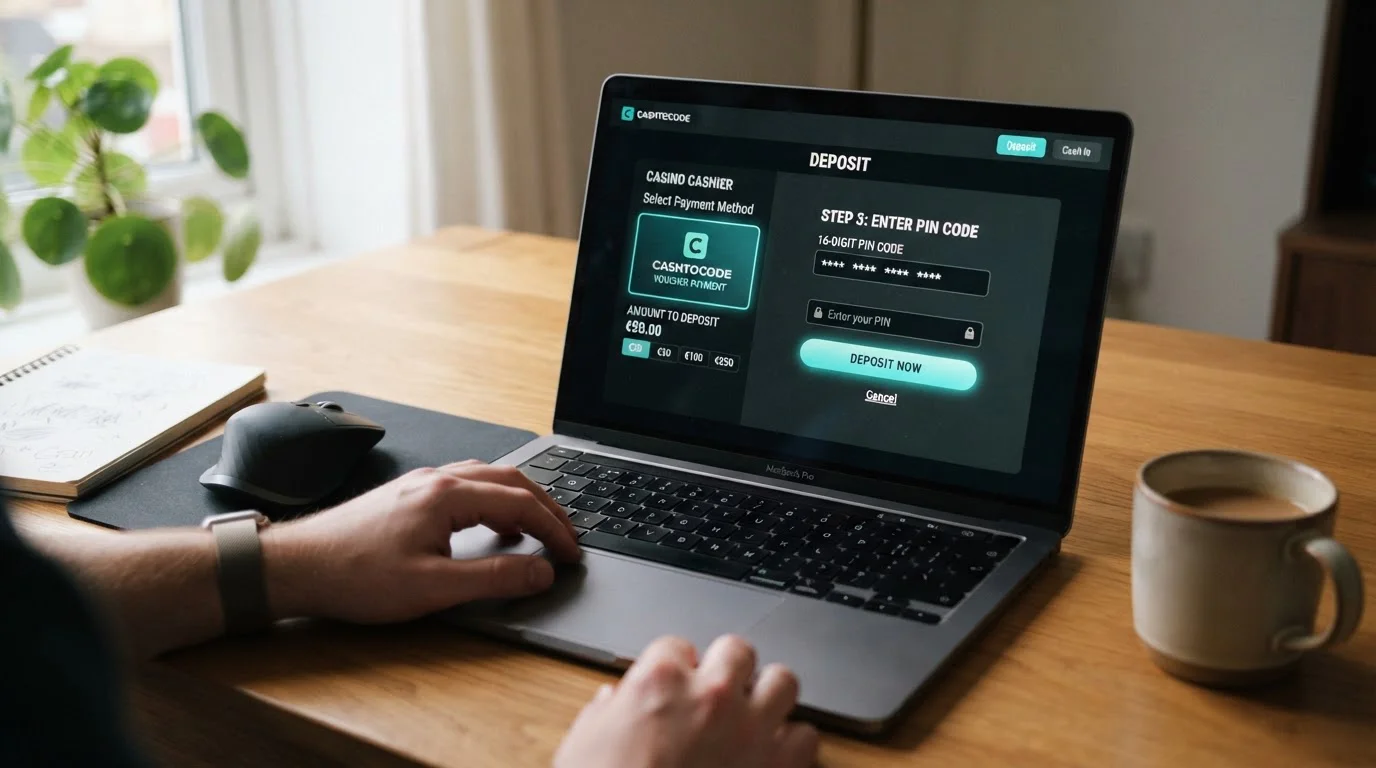
Log into your casino account and navigate to the cashier or deposit section. Select CashtoCode from the list of available payment methods. A field appears requesting the twenty-digit PIN. Type or paste the code exactly as it appears on your receipt or email—no spaces, no dashes, capital letters where shown. Double-check before submitting, because a mistyped code will return an error and you’ll need to re-enter it.
Some casinos ask you to confirm the deposit amount before submitting the code. If your voucher is worth one hundred dollars and you want to deposit only fifty dollars, the casino system should allow partial redemption with the remaining fifty dollars staying on the voucher for future use. In practice, most players redeem the full voucher value in one transaction because splitting increases the risk of losing track of remaining balances.
Once the code is submitted, the casino’s payment processor contacts CashtoCode’s system to verify the code is valid, unused, and matches the amount you’ve entered. This verification happens in real time and takes five to thirty seconds. If the code is valid, the transaction completes and funds appear in your casino balance. If the code has already been redeemed, expired, or doesn’t exist, the transaction fails and you receive an error message. There’s no reversal mechanism—if someone else redeemed your code before you, the value is gone.
Step 3: Funds Hit Your Account Instantly
CashtoCode deposits process instantly at most casinos, meaning funds appear in your balance within seconds to fifteen minutes. The “instant” designation is accurate for the transfer itself—once the code is verified, the money moves immediately—but occasional delays happen on the casino’s side when their payment system is under heavy load or experiencing technical issues.
If your deposit doesn’t appear within fifteen minutes, check your transaction history in the casino’s cashier section. The transaction should appear as “pending” or “completed.” If it shows as completed but funds aren’t in your balance, contact customer support via live chat with your transaction ID and voucher code. If it shows as pending beyond thirty minutes, the issue is likely on the casino’s payment processor side rather than with CashtoCode itself.
Rare failure modes include: voucher code already redeemed by someone else (usually due to email interception or receipt theft), casino temporarily disabled CashtoCode deposits due to payment processor maintenance, or the casino doesn’t actually accept CashtoCode despite being listed on aggregator sites. That last scenario highlights the importance of verifying payment methods directly on the casino’s website before buying a voucher. ACMA blocking of offshore casino domains can also prevent access to the casino site entirely, leaving you with a voucher you can’t redeem at your intended destination.
How long does a CashtoCode deposit take to process?
From entering the code to seeing funds in your casino balance, the process takes five seconds to fifteen minutes. The CashtoCode verification itself is instant—within thirty seconds—but some casinos batch-process deposits on their end, causing minor delays. If your deposit hasn’t appeared after fifteen minutes, contact the casino’s customer support.
Are CashtoCode deposits eligible for casino welcome bonuses?
Yes, CashtoCode deposits are eligible for welcome bonuses and ongoing promotions at all ten casinos listed in this guide. Payment method exclusions occasionally apply at some offshore casinos—certain e-wallets or prepaid cards may be barred from bonus eligibility—but CashtoCode is rarely excluded. Verify the casino’s bonus terms before depositing to confirm CashtoCode isn’t listed among excluded methods.
CashtoCode Fees, Limits and Processing Times
The fee structure for CashtoCode operates on two levels: the reseller markup when you buy the voucher, and optional casino processing fees when you deposit. Most players only encounter the first layer because the majority of CashtoCode-accepting casinos absorb processing fees as a cost of doing business.
Reseller markup ranges from three to eight percent depending on the reseller, the denomination, and the purchase method. Online resellers like Recharge charge 5.99 percent on a one-hundred-dollar voucher, translating to a five-dollar-ninety-nine-cent fee. Retail locations may charge a flat fee per transaction—three to five dollars regardless of voucher size—or a percentage. The exact fee isn’t standardized across retail partners, so the same voucher denomination costs slightly different amounts at different stores.
That three-to-eight-percent range makes CashtoCode more expensive than credit cards (zero to 2.5 percent processing fee, though casinos usually absorb this), more expensive than e-wallets (zero to two percent, also often absorbed), and roughly comparable to bank wire transfers (which often carry flat fifteen-to-thirty-dollar fees, equivalent to three to six percent on a five-hundred-dollar transfer). Cryptocurrency deposits have variable network fees—Bitcoin transactions cost one to ten dollars depending on network congestion, altcoins are cheaper—but crypto requires wallet setup and exchange account access, adding complexity that CashtoCode avoids.
The four-hundred-dollar deposit limit per transaction is a CashtoCode system constraint, not a casino-imposed rule. If you want to deposit more than four hundred dollars, you’ll purchase multiple vouchers and submit them as separate transactions. Some casinos impose their own maximum deposit limits—often in the two-thousand-to-five-thousand-dollar range per twenty-four-hour period—which means you could theoretically submit five four-hundred-dollar CashtoCode vouchers in one day if the casino’s daily limit allows it. In practice, high-stakes players usually switch to bank transfers or cryptocurrency for large deposits because the reseller markup on multiple CashtoCode vouchers adds up quickly.
Minimum deposit thresholds vary by casino, not by payment method. Jackpot City’s nine-dollar minimum is the lowest among these ten operators. PlayAmo, BitStarz, and several others set twenty-dollar minimums. Skycrown, Playfina, and Bizzo require thirty-dollar minimums. Those minimums apply to all payment methods including CashtoCode, so if the casino requires thirty dollars and you have a twenty-five-dollar voucher, you’ll need to buy a second voucher or choose a different payment method to meet the threshold.
Processing times for deposits are instant—five seconds to fifteen minutes from code entry to balance update. Processing times for withdrawals don’t involve CashtoCode because the payment method doesn’t support cashouts. Withdrawal methods and their timelines are covered in the next section, but the key takeaway is that you’ll need a separate withdrawal method set up before your first cashout. Bank transfers take three to seven business days, e-wallets take one to three days, and cryptocurrency withdrawals process within ten minutes to one hour.
What are the fees for using CashtoCode at online casinos?
You pay a reseller markup when buying the voucher, typically three to eight percent of face value. A one-hundred-dollar voucher costs one hundred five to one hundred eight dollars depending on reseller. Most casinos don’t charge additional processing fees for CashtoCode deposits, so the reseller markup is your total cost. Some casinos charge a flat one-to-three-dollar deposit fee, disclosed in their cashier terms.
What is the minimum and maximum deposit amount for CashtoCode?
Minimum deposits are set by the casino, ranging from nine dollars at Jackpot City to thirty dollars at Skycrown, Playfina, and Bizzo. Maximum deposit per CashtoCode transaction is four hundred dollars, a system limit. You can deposit more by purchasing multiple vouchers and submitting them separately, subject to the casino’s daily deposit cap.
Bonuses and Promotions at CashtoCode Casinos
Welcome bonuses at offshore casinos follow a predictable pattern: large headline figures, multi-deposit structures, high wagering requirements, and restrictive terms buried in the fine print. The casinos listed here offer total bonus packages ranging from one thousand six hundred dollars at Jackpot City to seven thousand five hundred dollars at Ricky Casino. Those figures represent the maximum you could claim across all eligible deposits, not a single lump sum.
A typical structure spreads the bonus across four deposits. First deposit: one hundred percent match up to two hundred dollars. Second deposit: fifty percent match up to three hundred dollars. Third deposit: fifty percent match up to five hundred dollars. Fourth deposit: twenty-five percent match up to six hundred dollars. Total maximum: one thousand six hundred dollars, but only if you deposit the full amount required to hit each cap. Most players don’t deposit enough to claim the full package.
Wagering requirements sit between thirty-five and fifty times the combined bonus-plus-deposit amount. At forty-times wagering, a one-hundred-dollar deposit claiming a one-hundred-dollar bonus creates an eight-thousand-dollar playthrough requirement before withdrawal. That’s achievable over weeks of regular play, but it locks your funds into the casino for the duration. Maximum bet limits during bonus play typically cap at five to ten dollars per spin or hand, preventing high-stakes players from clearing wagering requirements quickly through large bets.
Game contribution percentages vary by vertical. Pokies usually contribute one hundred percent toward wagering requirements, meaning every dollar wagered counts as a dollar of progress. Table games like blackjack and roulette contribute ten to twenty percent, so a ten-dollar blackjack hand counts as one to two dollars of progress. Live dealer games are often excluded entirely from bonus play, meaning bets on live tables don’t count toward clearing wagering requirements and may even void the bonus if triggered during active bonus status.
Bonus expiry periods range from seven to thirty days depending on the casino and the specific promotion. If you don’t clear the wagering requirements within that window, the bonus and any winnings derived from bonus play are forfeited. The deposit amount usually remains, but the bonus portion disappears. Some casinos impose maximum cashout caps on bonus winnings—often five to ten times the bonus amount—meaning even if you turn a one-hundred-dollar bonus into two thousand dollars through lucky spins, you can only withdraw five hundred to one thousand dollars of winnings.
CashtoCode deposits are eligible for bonuses at all ten casinos covered here, with no payment-method-specific exclusions observed. Some offshore casinos exclude certain e-wallets or prepaid cards from bonus eligibility, but CashtoCode rarely falls into that category. Verify the bonus terms directly on the casino’s promotions page before depositing, because terms change periodically and regional restrictions sometimes apply.
The practical value of a bonus depends on your play style. If you were planning to deposit and play regardless of bonus availability, claiming the offer gives you extra funds at no additional cost beyond the wagering requirements. If you’re depositing specifically to chase the bonus, read the full terms first and calculate whether the playthrough requirement is realistic for your bankroll and time commitment. A seven-thousand-five-hundred-dollar headline bonus sounds generous until you realise clearing fifty-times wagering on a two-thousand-dollar cumulative deposit requires one hundred thousand dollars of pokies play.
| Casino | Welcome Bonus | Wagering Requirement | Max Bet During Bonus | Expiry |
|---|---|---|---|---|
| Jackpot City | Up to AUD 1,600 over 4 deposits | 35x | AUD 6.25 per spin | 7 days per deposit |
| Spin Casino | Up to AUD 1,600 over 4 deposits | 35x | AUD 6.25 per spin | 7 days per deposit |
| PlayAmo | AUD 450 + 150 free spins | 50x | AUD 5 per spin | 30 days |
| BitStarz | Up to 5 BTC + 180 free spins | 40x | AUD 10 per spin | 30 days |
| Joe Fortune | Up to AUD 5,000 + 450 free spins | 40x | AUD 10 per spin | 30 days |
| Ricky Casino | Up to AUD 7,500 + 550 free spins | 40x | AUD 10 per spin | 30 days |
| Skycrown Casino | Up to AUD 7,500 + 400 free spins | 40x | AUD 5 per spin | 30 days |
| Playfina Casino | Up to AUD 6,500 + 1,000 free spins | 40x | AUD 5 per spin | 30 days |
| RocketPlay Casino | Structure varies by promotion | 40x | AUD 5 per spin | 30 days |
| Bizzo Casino | Up to AUD 7,250 + 175 free spins | 40x | AUD 5 per spin | 30 days |
The MGA-licensed casinos—Jackpot City and Spin Casino—impose stricter bonus expiry (seven days per deposit) but lower wagering (thirty-five times). The Curaçao casinos offer longer expiry windows (thirty days) but higher wagering (forty to fifty times). Neither structure is objectively better; the right choice depends on whether you prefer a tight deadline with lower playthrough or more time with higher playthrough.

CashtoCode Withdrawals — The Limitation You Need to Know
CashtoCode doesn’t support withdrawals. The payment method is deposit-only by design because voucher systems don’t reverse. You bought a voucher, redeemed it at a casino, and the transaction is complete. When you win and want to cash out, you’ll need a different withdrawal method.
The most common withdrawal methods at CashtoCode-accepting casinos are bank transfers, e-wallets like Skrill or Neteller, and cryptocurrency. Bank transfers work to any Australian bank account. You provide your BSB and account number during the withdrawal request, the casino processes the transaction, and funds arrive in three to seven business days. Some casinos charge withdrawal fees for bank transfers—typically ten to thirty dollars per transaction—though others absorb the cost.
E-wallets require creating an account with the e-wallet provider, linking it to your bank account or card, and then registering the e-wallet at the casino. Withdrawal processing takes one to three days, faster than bank transfers. E-wallet providers don’t typically charge fees for receiving funds, but they may charge fees when you transfer money from the e-wallet to your bank. Skrill and Neteller are the most widely accepted e-wallets at offshore casinos serving Australian players. MuchBetter and ecoPayz are less common but growing.
Cryptocurrency withdrawals are the fastest option—ten minutes to one hour from approval to funds hitting your wallet. You’ll need a crypto wallet (software or hardware) and an account at a cryptocurrency exchange to convert crypto back to AUD. The casino sends Bitcoin, Ethereum, Litecoin, or Tether to your wallet address, network confirmation happens within minutes to an hour depending on blockchain congestion, and you then sell the crypto on an exchange to receive AUD. Network fees vary by cryptocurrency—Bitcoin fees range from one to ten dollars, altcoins like Litecoin or Dogecoin cost pennies.
All withdrawal methods require identity verification before your first cashout. Casinos call this KYC—Know Your Customer—and it’s a regulatory requirement tied to anti-money-laundering laws. You’ll upload a government-issued photo ID (passport, driver’s licence), proof of address (utility bill, bank statement dated within three months), and sometimes a photo of the payment method you used for deposits. Verification takes twenty-four to seventy-two hours, occasionally longer if the documents are unclear or the casino’s compliance team is backlogged. Once verified, subsequent withdrawals process faster because the KYC check is already complete.
Withdrawal limits vary by casino. Skycrown’s seven-thousand-five-hundred-dollar daily limit is the highest on this list. Jackpot City and Spin Casino cap around four thousand dollars per day. Joe Fortune sets a lower two-thousand-five-hundred-dollar daily cap. If you win more than the daily limit, you’ll split the withdrawal across multiple days or weeks. Some casinos waive withdrawal limits for VIP players who’ve deposited and wagered substantial amounts over time, but that’s negotiated case-by-case rather than a published policy.
Processing times refer to how long the casino takes to approve and release your withdrawal, not how long the payment method takes to deliver funds. A casino might advertise “instant withdrawals,” but that means instant approval on their end—you still wait one to three days for e-wallet delivery or three to seven days for bank transfer. Crypto is the only method where “instant” approaches its literal meaning, with ten-minute-to-one-hour total time from approval to usable funds.
| Method | Processing Time | Typical Fees | Available to CashtoCode Users |
|---|---|---|---|
| Bank Transfer | 3–7 business days | AUD 10–30 per transaction | Yes |
| E-Wallets (Skrill, Neteller) | 1–3 business days | Zero to 2% | Yes, requires e-wallet account setup |
| Cryptocurrency | 10 minutes to 1 hour | AUD 1–10 network fee | Yes, requires crypto wallet |
| PayID | 1 business day | Usually free | Yes, if casino supports PayID |
| Credit Card | Rare for withdrawals | Varies | Rarely supported for withdrawals |
Can I withdraw my winnings via CashtoCode?
No. CashtoCode is deposit-only. Withdrawals require a bank transfer, e-wallet, or cryptocurrency. You’ll need to set up at least one of these methods at the casino before you can cash out. Bank transfers take three to seven days, e-wallets take one to three days, and crypto withdrawals process within ten minutes to one hour.
Is CashtoCode Legal for Australian Players? The Regulatory Reality
The Interactive Gambling Act 2001 prohibits the provision of online casino services to Australian residents. That wording is critical: the IGA targets operators, not players. Offering an online casino to someone in Australia is illegal. Accessing an online casino from Australia is not explicitly illegal under the IGA, because the law was written to regulate supply, not demand.
This creates a legal grey zone. Australian players can access offshore casinos without violating federal law, but those offshore casinos are breaking Australian law by serving Australian players. The enforcement mechanism targets the operator side. ACMA—the Australian Communications and Media Authority—blocks offshore gambling domains, now exceeding nine hundred blocked sites as of 2025-2026. When ACMA blocks a domain, Australian ISPs are required to prevent users from reaching that site. VPNs circumvent the block easily, but using a VPN to access a blocked gambling site creates additional legal ambiguity and may void any player protections the offshore casino’s licence ostensibly provides.
The 2026 Interactive Gambling Amendment Act added payment blocking provisions. Australian banks and payment service providers are now required to prevent fund transfers to designated offshore gambling operators on ACMA’s blacklist. That’s where CashtoCode becomes relevant. Voucher-based payment methods are harder for banks to monitor because the transaction visible to your bank is “voucher purchase,” not “gambling deposit.” From a compliance perspective, CashtoCode creates separation between your bank account and the casino, making it more difficult for payment blocking provisions to interrupt the transaction.
Zero Australian consumer protection applies to disputes at offshore casinos. If a casino withholds your withdrawal, voids your winnings, or closes your account without explanation, Australian authorities can’t enforce a resolution. Your recourse is through the offshore casino’s licensing jurisdiction. Malta Gaming Authority has a functional complaints process—you file a complaint online, the MGA investigates, and they can order the casino to pay if the evidence supports your claim. Curaçao’s dispute resolution is far weaker. Some Curaçao sublicensors respond to complaints within weeks; others never respond at all. Player forums are full of unresolved Curaçao casino disputes where the player simply lost their money with no recourse.
The practical risk isn’t prosecution—Australian authorities don’t prosecute individual players for accessing offshore casinos—it’s financial loss with no recovery mechanism. If you deposit five thousand dollars at a Curaçao casino, win twenty thousand, and the casino decides to void your winnings for a terms-of-service violation you didn’t know you triggered, you can’t sue them in Australian courts, you can’t call the ACCC, and you can’t expect ACMA to intervene. You file a complaint with the Curaçao eGaming authority and hope they take it seriously.

ACMA blocking expands regularly. A casino accessible today might be blocked next month. When that happens, you can still reach the site via VPN, but the casino may freeze Australian accounts or stop processing withdrawals from Australian players to reduce their own regulatory risk. Some offshore operators maintain mirror domains specifically to evade ACMA blocks, meaning the same casino operates under five different URLs and players jump from one to the next as each gets blocked. That game of whack-a-mole is exhausting and risky, because mirror domains aren’t always maintained by the legitimate operator—some are phishing sites designed to steal login credentials.
CashtoCode’s legal status is neutral. It’s a prepaid voucher payment method that can be used for any legal purchase. The legality question shifts entirely to what you’re using it for. Funding an account at an offshore casino that’s violating Australian law by serving Australian players doesn’t make you a criminal under the IGA, but it does mean you’re engaging with an unlicensed operator outside Australian jurisdiction. That carries financial risk, not criminal risk.
Is it legal for Australian players to use CashtoCode at offshore online casinos?
Accessing offshore online casinos isn’t explicitly illegal for Australian players under the Interactive Gambling Act, which targets operators rather than players. But those offshore casinos are breaking Australian law by serving you, and you have zero consumer protection under Australian law if disputes arise. CashtoCode itself is legal—it’s a prepaid voucher. The legal grey zone is the offshore casino, not the payment method.
CashtoCode vs Other Payment Methods — When It Makes Sense
CashtoCode optimizes for privacy at the expense of cost and convenience. Credit cards are cheaper and faster but expose your transactions to bank monitoring. E-wallets support withdrawals but require account registration and KYC. Cryptocurrency offers the highest privacy level but demands wallet and exchange setup. The right choice depends on which trade-off matters most to you.
Credit and debit cards process deposits instantly with zero to 2.5 percent fees that casinos usually absorb. The drawback is visibility: your bank sees the transaction, may flag it as gambling-related, and could block future gambling payments or send a “concern” letter. Some Australian banks have started declining payments to offshore gambling merchants outright. If your card payment gets declined and you don’t want to call your bank to authorize gambling transactions, CashtoCode bypasses that friction.
E-wallets like Skrill, Neteller, and MuchBetter require creating an account, linking a bank account or card, and completing KYC verification with the e-wallet provider. Once set up, deposits are instant with zero to two percent fees. The key advantage over CashtoCode is withdrawal support—you can cash out to the same e-wallet you deposited from. Processing times are one to three days, faster than bank transfers but slower than crypto. The disadvantage is the additional KYC layer: you’ve given personal data to the e-wallet provider, not just the casino.
Bank transfers are free or low-cost but slow. Deposits take one to five business days to clear, and withdrawals take three to seven days. For players who don’t mind waiting and want no involvement with third-party payment processors, bank transfers are straightforward. The downside is full visibility: your bank statement shows a transfer to the casino or a payment processor clearly associated with gambling.
Cryptocurrency deposits are fast—ten minutes to one hour depending on blockchain confirmation times—and support withdrawals on the same timeline. Network fees vary: Bitcoin costs one to ten dollars, Litecoin and Dogecoin cost cents. Privacy is high because blockchain transactions aren’t tied to your identity unless you’ve completed KYC at a cryptocurrency exchange. The barrier to entry is setup complexity: you need a crypto wallet, an account at an exchange like Coinbase or Binance, and enough technical comfort to handle wallet addresses without error. Sending crypto to a wrong address is irreversible.
Neosurf, Flexepin, and Paysafecard are voucher competitors to CashtoCode. All three are deposit-only prepaid systems. Neosurf is more widely accepted at Australian-facing casinos than CashtoCode, with slightly lower fees in some regions. Flexepin has similar acceptance and fee structure. Paysafecard is common in Europe but less prevalent in Australia. The functional differences are marginal—if one voucher method is unavailable or has higher fees at your intended casino, the others are acceptable substitutes.
CashtoCode makes sense in three scenarios. First, your bank has blocked or declined gambling transactions and you don’t want to argue with customer service or switch banks. Second, you want your gambling spending separate from your main financial footprint, whether for household privacy or to avoid triggering bank algorithms that flag frequent gambling activity. Third, you’ve experienced a data breach at an online merchant before and now prefer not to share card details with offshore operators, so you limit exposure to the voucher amount only.
CashtoCode doesn’t make sense if cost is your priority—cards and e-wallets are cheaper. It doesn’t make sense if convenience is your priority—cards and e-wallets are faster to set up and support withdrawals. It doesn’t make sense if you’re depositing large amounts regularly—the four-hundred-dollar limit and three-to-eight-percent fee make it inefficient for high-stakes play. And it doesn’t solve the fundamental problem that you’re playing at an offshore operator outside Australian regulation, so the privacy benefit only extends to the transaction layer, not the trust layer.

| Method | Type | Deposit Speed | Withdrawal Support | Fees | Privacy Level | Best For |
|---|---|---|---|---|---|---|
| CashtoCode | Voucher | Instant | No | 3–8% | High | Bank-blocking workarounds, transaction privacy |
| Credit/Debit Card | Card | Instant | Rare | 0–2.5% | Low | Convenience, mainstream use |
| E-Wallets | Digital wallet | Instant | Yes | 0–2% | Medium | Two-way transactions, faster withdrawals than bank |
| Bank Transfer | Direct bank | 1–5 days | Yes | Zero to AUD 30 | Low | No third-party involvement, low-cost withdrawals |
| Cryptocurrency | Blockchain | 10min–1hr | Yes | Variable | Very High | Maximum privacy, fast withdrawals, tech-savvy users |
| Neosurf | Voucher | Instant | No | 3–7% | High | CashtoCode alternative, wider casino acceptance |
| Flexepin | Voucher | Instant | No | 3–7% | High | CashtoCode alternative, regional availability |
| Paysafecard | Voucher | Instant | No | 3–8% | High | European casinos, less common in AU market |
How does CashtoCode compare to Neosurf and Paysafecard?
All three are deposit-only prepaid vouchers with similar fee structures (three to eight percent reseller markup). Neosurf is more widely accepted at Australian-facing offshore casinos than CashtoCode. Paysafecard is common in Europe but less prevalent in Australia. Functionally, they’re interchangeable—pick whichever has better availability or lower fees at your intended casino.
Common CashtoCode Issues and How to Avoid Them
Most CashtoCode transactions complete without incident. The voucher code works, funds appear instantly, and play begins. Failures cluster around four scenarios: lost voucher codes, codes already redeemed, casino payment method mismatches, and ACMA blocking preventing casino access.
Lost voucher codes are unrecoverable. CashtoCode doesn’t maintain user accounts, so there’s no customer support line where you can prove ownership and request a replacement. If you lose the physical receipt from a retail purchase or delete the email with the code before redeeming it, the value is gone. The only prevention is redundancy: screenshot the code immediately after purchase, forward the email to a secondary address, or store the physical receipt in a secure location until redemption.
Codes already redeemed usually indicate interception. If someone else accessed your email and redeemed the code before you, or if a retail receipt was stolen and redeemed by the thief, you’ll receive an “invalid code” error when you try to use it. Contact the reseller’s support team with your purchase receipt or transaction ID. Most resellers investigate and may issue a replacement if fraud is proven, but the process takes days to weeks and outcomes aren’t guaranteed. The prevention is securing your email with two-factor authentication and treating retail receipts like cash.
Casino payment method mismatches happen when a casino listed on aggregator sites as accepting CashtoCode has actually disabled the method due to payment processor issues or regional restrictions. Verify payment methods directly on the casino’s website before buying a voucher. Log into the casino, navigate to the cashier, and confirm CashtoCode appears in the deposit options. If it’s not listed, don’t assume the aggregator site is correct—contact the casino’s support team to verify availability before purchasing.
ACMA blocking can prevent access to the casino entirely. If ACMA adds the casino’s domain to the block list after you’ve purchased a voucher but before you’ve redeemed it, you’re stuck with a voucher you can’t use at that casino. Some offshore casinos maintain mirror domains to evade blocks, so you might still access the site under a different URL. But there’s no guarantee the mirror domain is legitimate—phishing sites mimic blocked casinos to steal login credentials and voucher codes. The prevention is checking ACMA’s published block list before depositing, though the list updates irregularly and doesn’t provide advance warning.
Voucher balance discrepancies occur when the casino credits less than the voucher’s face value. This usually stems from currency conversion errors if the casino system misreads your voucher as a non-AUD denomination, or from undisclosed processing fees. Check your transaction history immediately after depositing. If the credited amount doesn’t match the voucher value, contact support with the voucher code and purchase receipt. Most casinos reverse incorrect charges or manually adjust balances when presented with evidence.
What happens if I lose my CashtoCode voucher code?
It’s gone. CashtoCode doesn’t maintain user accounts or track codes to user identities, so there’s no recovery process. Screenshot the code immediately after purchase and store it securely until you’ve redeemed it. Treat voucher codes like cash—once lost, they’re unrecoverable.
Selection Criteria — How We Evaluated These Casinos
The ten casinos in this guide were selected based on operational longevity, licence jurisdiction tier, CashtoCode payment method reliability, game library size, withdrawal limit accessibility, and player complaint volume across independent review aggregators. No ranking exists within the ten—they’re listed in order of regulatory tier first (MGA before Curaçao), then operational history (older before newer), then game library size.
licence jurisdiction separates into three tiers. Tier 1: Malta Gaming Authority and UK Gambling Commission, both with strict oversight, functional complaint resolution, and meaningful enforcement. Tier 2: Gibraltar Regulatory Authority and Kahnawake Gaming Commission, mid-level oversight. Tier 3: Curaçao eGaming and its sublicensors, minimal oversight and weak dispute resolution. Jackpot City and Spin Casino hold MGA licences, placing them in Tier 1. The remaining eight hold Curaçao licences in Tier 3. No casinos with UKGC licences accept Australian players due to UKGC regulations prohibiting service to jurisdictions where online casinos are federally illegal.
Operational history ranges from twenty-six years at Jackpot City to two years at Ricky Casino. Longevity doesn’t guarantee reliability—plenty of long-running offshore casinos have accumulated complaint histories—but casinos that disappear after twelve months don’t make it onto established lists. The two-to-four-year mark is the danger zone: long enough to appear legitimate but not long enough to survive a major regulatory crackdown or payment processor disruption.
Game library size varies from five hundred titles at the MGA casinos to eleven thousand at Playfina. Larger libraries aren’t objectively better—most players stick to fifty to one hundred favorite titles—but variety matters for players who get bored easily. Provider diversity also matters: casinos relying on a single provider (e.g., RTG-only casinos) offer less variety than multi-provider platforms.
Withdrawal limits were prioritised for high-rollers. Casinos capping daily withdrawals below two thousand dollars weren’t included because players with substantial winnings face weeks of splitting payouts. Skycrown’s seven-thousand-five-hundred-dollar daily cap is the highest on this list. Most cluster around three thousand to five thousand daily.
Player complaint volume was assessed through aggregator sites like Trustpilot, AskGamblers, and Casinomeister. Every offshore casino accumulates complaints—it’s the nature of the industry—but patterns matter. Casinos with repeated complaints about withheld withdrawals, voided bonuses without clear rule violations, or unresponsive support were deprioritized. Casinos with mostly processing-delay complaints but eventual payouts were retained.
CashtoCode acceptance stability was verified through multiple sources. Some casinos list CashtoCode on aggregator sites but have disabled it on their actual cashier. Every casino here was cross-referenced against the casino’s own website and recent player reports confirming active CashtoCode availability.
The ranking doesn’t endorse the absolute safety of any operator. All ten are offshore casinos outside Australian jurisdiction, operating in violation of the IGA by serving Australian players. The comparison reflects relative quality within that constraint. MGA-licensed casinos are safer than Curaçao-licensed casinos, but neither provides the consumer protections of a domestically regulated operator. If Australia legalizes online casinos and issues local licences in the future, those locally licensed operators would immediately outrank every casino on this list.
Responsible Gambling at CashtoCode Casinos
Offshore casinos operate outside Australian responsible gambling frameworks, so player protection tools vary by operator. Most casinos on this list offer deposit limits, loss limits, session time limits, and self-exclusion options through account settings. Activating those tools is your responsibility—they’re not enforced automatically.
Deposit limits let you cap daily, weekly, or monthly deposit amounts. Once the limit is reached, you can’t deposit more until the timer resets. Loss limits work similarly, tracking net losses over a period and blocking further play when the threshold is hit. Session time limits log you out after a set duration. Self-exclusion closes your account for six months to permanently, depending on the level you choose.
The limitation is enforcement. Offshore casinos don’t participate in national self-exclusion schemes like BetStop, which covers Australian-licensed sports betting operators. If you self-exclude from Jackpot City, that block doesn’t transfer to PlayAmo or Skycrown. You’d need to self-exclude separately at each casino, and nothing prevents you from opening an account at a new offshore casino the same day.
Problem gambling support in Australia is available through Gambling Help Online at 1800 858 858, a free twenty-four-hour phone service, or via online chat. Gamblers Anonymous Australia operates support meetings across the country. If gambling is affecting your finances, relationships, or mental health, reaching out to those services is a better first step than relying on offshore casino responsible gambling tools.
CashtoCode’s four-hundred-dollar deposit limit per transaction provides a mild natural brake. Depositing large amounts quickly requires purchasing multiple vouchers, which adds friction compared to credit cards or bank transfers where five-thousand-dollar deposits happen with a few clicks. That friction isn’t a substitute for proper limit-setting, but it can slow impulsive high-stakes deposits during loss-chasing spirals.
If you’re using CashtoCode to hide gambling spending from someone in your household, that’s a red flag worth examining. Privacy in transactions is legitimate, but concealment often indicates problem gambling patterns. If you’re not comfortable being transparent about your gambling activity with the people who share your finances, consider whether the behaviour itself is sustainable.
Casino Deposit Methods Australia 2026 — Compared
Content created by the «Bankroll» team