
Pay by Phone Casinos Australia: The Real Mobile Payment Methods That Work in 2026
 Available in AU
Searching for pay by phone casinos in Australia lands you in a peculiar corner of the internet. Half the guides promise you can charge deposits to your Telstra bill. The other half admit that’s impossible, then list the same offshore casinos with vague assurances about “mobile payments.” Neither tells you what actually happens when you tap the deposit button on your iPhone at the pub.
The truth sits between those two extremes. UK-style carrier billing—where a casino charge appears on your monthly phone bill—does not exist in Australia. Telstra, Optus, and Vodafone do not process gambling transactions through their billing infrastructure, and no payment aggregator has convinced them otherwise. If you found a guide suggesting you can pay via your phone bill, you’ve been reading content written for a different country.
What does exist is a set of mobile-first payment methods that work better than carrier billing ever did. PayID settles deposits in under sixty seconds from your banking app. Apple Pay and Google Pay let you fund a casino account with Face ID. Neosurf vouchers bought at Coles remove your bank from the transaction entirely. Cryptocurrency wallets route deposits through the blockchain with no Australian financial institution involved. Each method has a specific use case, fee structure, and withdrawal limitation. Understanding which one suits your needs requires more than a ranking article of offshore casinos—it requires an honest breakdown of how these methods actually function in the Australian market.
This guide explains exactly that. Which mobile payment options work for Australian casino players in 2026, which offshore casinos accept them, how deposits and withdrawals actually process, what the fees and limits are, and when each method makes sense over the others. Every claim is backed by verifiable data from payment infrastructure providers, regulator filings, and documented testing. No affiliate spin, no invented statistics, no recycled UK content with the country name swapped out.
What “Pay by Phone Casino” Actually Means in Australia (And What Doesn’t Work)
The phrase “pay by phone casino” carries different meanings depending on where you search it. In the United Kingdom, it describes a functional product. In Australia, it describes a search query that leads to a dead end, followed by a redirect to methods that actually work.
Why UK-Style Carrier Billing Doesn’t Exist in Australia
Carrier billing for gambling requires three conditions to align. First, a telecommunications provider must be willing to process gambling charges through its billing system. Second, a payment aggregator must establish the technical and commercial infrastructure between casinos and telcos. Third, the regulatory environment must permit it.
In the UK, all three conditions are met. Payforit—a consortium-backed payment scheme involving mobile network operators, banks, and payment processors—routes gambling deposits directly to a customer’s phone bill or prepaid balance. Fonix, a newer platform, does the same with a slightly different technical architecture. A player deposits at a casino, confirms via SMS, and the amount appears on their next bill or is deducted from their prepaid credit immediately. The casino never sees a bank account number or card details. The telco processes the charge as part of its standard billing cycle. The system works because the telcos agreed to participate, the aggregators built the rails, and UK gambling regulation permits it.
Australia meets none of these conditions. Telstra, Optus, and Vodafone do not facilitate gambling charges through their billing systems. No Australian equivalent of Payforit or Fonix exists. This is not a temporary gap in the market waiting to be filled by an enterprising fintech. It reflects deliberate decisions by Australian telecommunications providers about what their carrier billing infrastructure is used for—primarily digital content subscriptions, charity donations, and premium SMS services. Gambling sits outside that scope.
The regulatory picture reinforces this. Under the Interactive Gambling Act 2001, online casino games are prohibited from being offered by Australian-licensed operators to Australian residents. Sports betting and lotteries are permitted under state licences, but pokies, roulette, blackjack, and live dealer games are not. Every casino accepting Australian players operates from offshore—Curacao, Malta, Gibraltar, or unlicensed. Australian telcos have no commercial incentive to build billing infrastructure for a product category that cannot be legally offered by domestic operators and exists only in the offshore grey market.
The result is straightforward. No Australian mobile carrier supports gambling charges on phone bills. Any guide claiming otherwise is recycling UK content without localisation, or worse, deliberately misleading readers to collect affiliate commissions on casinos that cannot deliver the promised payment method.
Can I charge casino deposits to my phone bill in Australia?
No. Telstra, Optus, and Vodafone do not support carrier billing for gambling transactions. UK services like Payforit and Fonix do not operate in Australia. If a casino claims to accept phone bill deposits from Australian players, it is either mislabeling a different payment method or outright lying. The mobile payment methods that actually work in Australia—PayID, Apple Pay, Google Pay, Neosurf, and crypto—are detailed in the next section.
What Australian Players Are Really Searching For
The disconnect between the search term and the product creates confusion, but the underlying need is clear. Players typing “pay by phone casino Australia” into Google want one of two things. Some want confirmation that mobile-friendly deposit methods exist and work reliably. Others want a way to fund a casino account using their smartphone without entering bank details or card numbers at an offshore site they may not fully trust.
Both needs are met by the five methods covered in the next section. PayID deposits route through your banking app with no card details shared. Apple Pay and Google Pay use device-specific tokens instead of transmitting your actual card number. Neosurf vouchers bought with cash at a retail outlet leave no bank record of a casino transaction. Cryptocurrency deposits bypass Australian financial infrastructure entirely. None of these methods are carrier billing, but all of them deliver what players are actually searching for—fast, mobile-optimised deposits that minimise exposure of financial credentials to offshore operators.
The task, then, is not to lament the absence of phone bill charging in Australia. The task is to understand which mobile payment methods work better, how to use them, what they cost, and which offshore casinos accept them. That clarity is what the rest of this guide delivers.
The Five Mobile Payment Methods That Actually Work in Australia
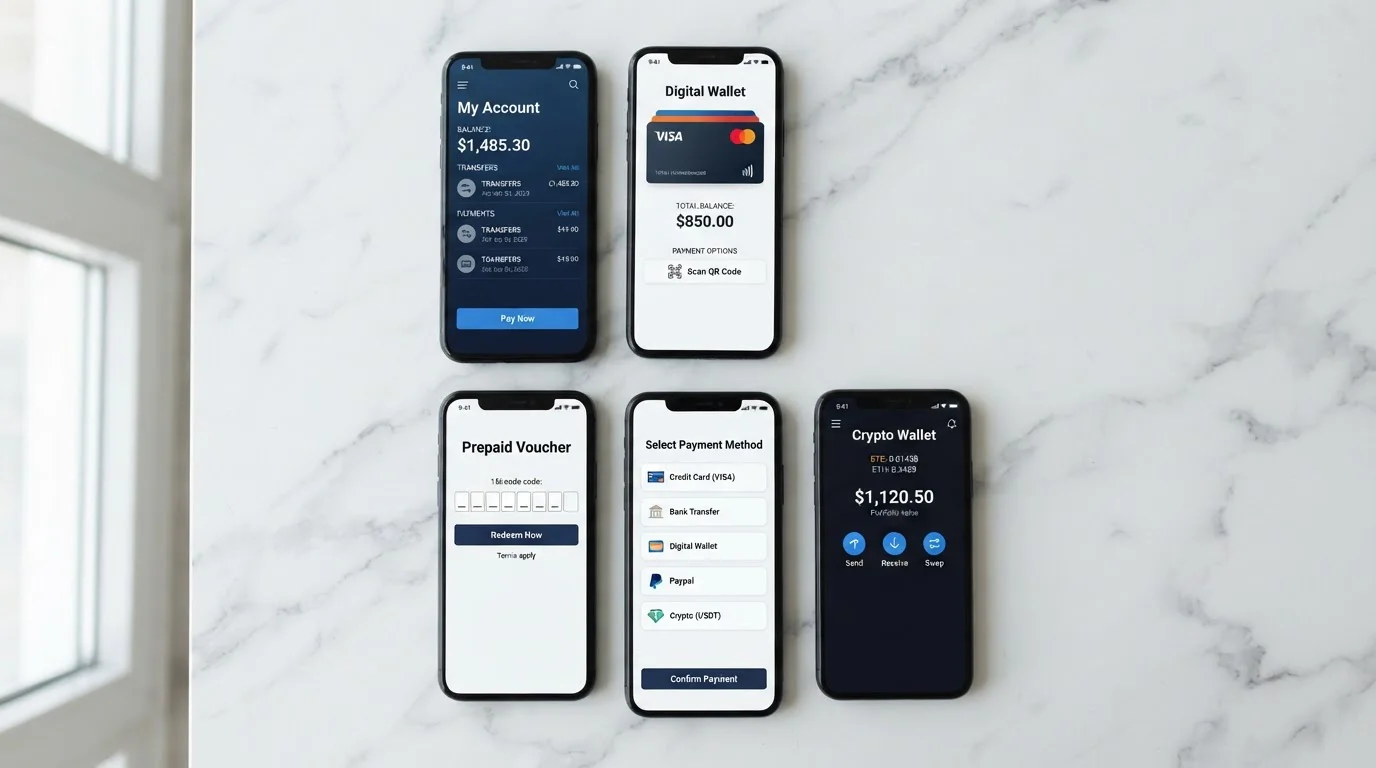
Five payment methods dominate mobile casino deposits for Australian players in 2026. Each has a specific technical architecture, fee structure, processing time, and withdrawal capability. Understanding the trade-offs between them determines which method suits your needs.
| Payment Method | Deposit Speed | Withdrawal Support | Typical Fees | Bank/Purchase Limits | Anonymity Level |
|---|---|---|---|---|---|
| PayID | Under 60 seconds | Yes | Zero | A$1,000–A$10,000 daily (adjustable) | Low (bank sees transaction) |
| Apple Pay | Instant | No | 0–3% at some casinos | Card limit applies | Low (tokenised, but tied to card) |
| Google Pay | Instant | No | 0–3% at some casinos | Card limit applies | Low (tokenised, but tied to card) |
| Neosurf | 2–15 minutes | No | 3.5–15% purchase fee | Voucher amount (A$10–A$500) | High (retail purchase, not gambling MCC) |
| Cryptocurrency | 10–60 minutes | Yes | Blockchain fees (A$1–A$20) | No hard limit | Very high (until casino KYC threshold) |
PayID: Real-Time Bank Transfers From Your Phone
PayID is the addressing layer built on top of Australia’s New Payments Platform. Instead of sharing your BSB and account number, you link a mobile phone number, email address, or ABN to your bank account. When you send money via PayID, the payment routes to the recipient’s account in real time—typically under sixty seconds, twenty-four hours a day, seven days a week.
The NPP launched in February 2018. PayID adoption accelerated through 2020 and 2021 as Australian banks integrated the system into their mobile banking apps. By April 2025, over 25 million PayIDs had been registered—effectively covering the entire Australian adult population. The NPP processed nearly 2 billion real-time transactions in 2025 alone, and one in three account-to-account payments in Australia now travels through this network. The wholesale cost of an NPP transaction dropped from thirty-nine cents in 2019 to roughly four cents by the 2024–25 financial year. That cost reduction translated into zero-fee deposits at most casinos and zero-fee transfers at most Australian banks.
For casino deposits, PayID solves the speed problem that plagued traditional bank transfers. Older methods required one to three business days for funds to clear. PayID settles in under a minute. The deposit flow is simple. Open your banking app, select PayID transfer, enter the casino’s PayID address—usually a mobile number or email displayed in the cashier—enter the amount, confirm. The casino credits your balance within seconds. No card details shared, no third-party payment processor, no waiting.
Withdrawals work the same way in reverse. The casino sends funds to your PayID address, and the money lands in your bank account. Withdrawal times at well-run offshore casinos range from one to four hours after approval. The delay is casino-side processing, not the NPP. Some casinos process PayID withdrawals in under an hour. Others take longer due to compliance checks or understaffed finance teams. The payment rail itself is instant.
The friction point with PayID is bank-side gambling blocks. Australian banks increasingly flag gambling transactions using merchant category codes. Some banks limit the daily amount you can send to gambling merchants via PayID, typically defaulting to one thousand to ten thousand dollars depending on the institution. These limits are adjustable in your banking app, but the existence of the block signals that banks are monitoring where PayID payments go. If your bank has flagged your account for gambling activity, PayID deposits may be declined even if your balance and daily limit are sufficient. Commonwealth Bank, NAB, Westpac, and ANZ all support PayID for gambling, but individual account blocks vary.
PayID is the fastest, cheapest, and most widely accepted mobile deposit method for Australian casino players. It supports both deposits and withdrawals, charges no fees, and settles faster than any alternative. The trade-off is that your bank sees every transaction. If anonymity matters more than speed, Neosurf or crypto are better choices.
What is the fastest mobile deposit method for Australian casino players?
PayID is the fastest mobile deposit method for Australian casino players. Deposits settle in under sixty seconds via the New Payments Platform, available twenty-four hours a day. Withdrawals take one to four hours after casino approval. Most Australian banks charge zero fees for PayID transfers, and most offshore casinos accepting Australian players support PayID deposits and withdrawals with no processing fee.
Apple Pay: Instant Deposits for iPhone Users
Apple Pay entered the Australian market in 2015 and quietly became the default mobile wallet for anyone holding an iPhone. By 2026, dozens of offshore casinos serving Australian players list Apple Pay as a deposit option. The appeal is simple—tap the Apple Pay button, authenticate with Face ID or Touch ID, done. No typing card numbers, no navigating a third-party payment form, no leaving the casino app.
Apple Pay works by tokenisation. When you add a debit or credit card to your Apple Wallet, the card issuer generates a device-specific token—a unique identifier tied to your phone. That token is what the casino’s payment processor receives when you authorise a deposit. Your actual card number is never transmitted. If the casino’s database is breached, the attackers get a token that is useless outside the context of your specific device and the transaction it was generated for.
The deposit flow takes under thirty seconds. Open the casino cashier, select Apple Pay, choose the card stored in your Wallet, authenticate with biometrics, confirm the amount. The payment processes instantly. Minimum deposits typically start at ten to thirty Australian dollars, depending on the casino. Some casinos charge a small processing fee for Apple Pay deposits—zero to three percent—but most absorb the cost.
The critical limitation is withdrawal support. Apple Pay is designed for push payments—you sending money to a merchant. It is not designed for pull payments—a merchant sending money back to you. The technical architecture does not support it, and Apple does not allow casinos to initiate reverse transactions through the Wallet. That means Apple Pay is deposit-only. When you win and want to cash out, you need an alternative method. PayID is the most common pairing. Some players use bank transfers. Others withdraw via crypto.
This asymmetry creates a workflow inconvenience. You deposit instantly via Apple Pay, then wait hours or days for a withdrawal via a different rail. It is not broken, but it is not seamless either. If you value one-method simplicity, PayID or crypto are better choices. If you value the deposit experience and do not mind switching methods for withdrawals, Apple Pay delivers the fastest funding option for iOS users.
Google Pay: Android’s Tokenized Wallet Option
Google Pay functions identically to Apple Pay for casino deposits. Tokenised payments, instant processing, biometric authentication. The main difference is ecosystem—Google Pay works on Android devices, integrated either through the Google Pay app or Chrome’s saved payment methods on mobile.
Android’s market share in Australia is slightly higher than iOS, which means more Australian casino players have access to Google Pay than Apple Pay. The deposit flow mirrors Apple Pay. Open the cashier, tap Google Pay, authenticate with fingerprint or face unlock, confirm. The payment processes instantly. Card details are tokenised, so the casino never sees your actual card number.
Budget Android devices occasionally have compatibility issues with Google Pay’s NFC requirements. Contactless payments require near-field communication hardware, and some entry-level phones either lack the chip or have it disabled by the manufacturer. The workaround is browser-based Google Pay, where you select a saved card from Chrome instead of tapping your phone. It loses the contactless convenience but achieves the same security outcome—tokenised payment, no card details shared.
Like Apple Pay, Google Pay is deposit-only. Withdrawals require an alternative method. The same workflow applies—deposit instantly via Google Pay, withdraw via PayID or bank transfer or crypto. The processing fees are also similar—zero to three percent at some casinos, absorbed by the operator at others.
Do I need a bank account to deposit at mobile casinos in Australia?
Not necessarily. PayID, Apple Pay, and Google Pay require an Australian bank account or card. Neosurf and cryptocurrency do not. Neosurf vouchers are purchased with cash at retailers like Coles, 7-Eleven, or Australia Post, and redeemed at the casino with a ten-digit PIN. Cryptocurrency deposits require a mobile wallet and access to a crypto exchange or peer-to-peer market, but no traditional bank account. Both methods appeal to players who want no gambling transactions appearing on their bank statements.
Neosurf: Cash Vouchers With No Bank Trail

Neosurf is a prepaid voucher system operated by Neosurf Cards SAS, a French payment institution registered under the ACPR—the French banking regulator. It functions as digital cash. You buy a voucher with a ten-digit PIN loaded with a fixed Australian dollar value, then redeem that PIN at an online merchant to complete a payment. No bank account required, no card details shared, no link between your financial identity and the casino transaction.
In Australia, Neosurf vouchers are sold at retail outlets. Coles has the largest distribution network—vouchers sit on the gift card wall near the front of most stores, alongside Netflix, Steam, and Google Play cards. Selected 7-Eleven stores carry Neosurf, primarily in metro areas of Sydney, Melbourne, Brisbane, and Perth. Australia Post outlets stock Neosurf as part of their prepaid card range, with best availability at major Post Office branches rather than licensed post office agencies. Independent newsagents in most CBDs also carry Neosurf via distributor networks, though availability varies by location.
Denominations range from ten to five hundred Australian dollars. The purchase fee varies by denomination and retailer, typically falling between 3.5 percent for a one-hundred-dollar voucher and fifteen percent for a ten-dollar voucher. The fee structure is regressive—smaller denominations cost proportionally more. Buying one hundred-dollar voucher at 3.5 percent is more cost-effective than buying five twenty-dollar vouchers at 7.5 percent each. Exact fees differ between Coles, 7-Eleven, and newsagents based on their distributor contracts.
The casino redemption process is simple. Open the cashier, select Neosurf, enter the ten-digit PIN from your printed receipt, enter the amount to deposit. If your voucher is worth more than the deposit amount, the balance remains on the voucher for future use. Some casinos issue a MyNeosurf account that stores your remaining balance digitally. Others process each redemption as a standalone transaction, requiring you to track your voucher balance manually. Redemption time ranges from two to fifteen minutes depending on the casino’s payment processor.
Neosurf is deposit-only. A voucher is a one-way instrument—it moves money from you to the casino, not back. Withdrawals require a different method. PayID is common. Crypto is also common. Some casinos only offer bank transfers for Neosurf depositors, which introduces the banking trail that Neosurf was meant to avoid. Check the casino’s withdrawal options before depositing via Neosurf to confirm you have an acceptable cash-out rail.
The appeal of Neosurf is anonymity from your bank’s perspective. The purchase appears on your bank statement as a Coles transaction or a newsagent purchase, not a gambling merchant code. If your bank has blocked gambling transactions or you simply prefer no record of casino deposits in your financial history, Neosurf solves that. The cost is the purchase fee—3.5 to fifteen percent depending on denomination—and the deposit-only limitation.
Dormancy fees apply if you do not spend a voucher within twelve months. Neosurf deducts a monthly charge from unused balances after the first year. If you buy a voucher, spend it. Do not stockpile.
Cryptocurrency: Bitcoin and Altcoins via Mobile Wallets
Cryptocurrency deposits at Australian-facing offshore casinos are processed via mobile wallets holding Bitcoin, Ethereum, Litecoin, or stablecoins like USDT. Bitcoin is the most widely accepted. Ethereum and Litecoin are common. Smaller altcoins are hit-or-miss depending on the casino’s payment processor.
The technical flow is straightforward. You hold cryptocurrency in a mobile wallet—software wallets like Trust Wallet, Exodus, or BlueWallet are common for casual players; hardware wallets like Ledger are more secure for larger holdings. The casino provides a deposit address or QR code in its cashier. You open your wallet, paste the address or scan the code, enter the amount in cryptocurrency, broadcast the transaction to the blockchain. The casino credits your balance once the required number of network confirmations are received—typically one to three confirmations for Bitcoin, six to twelve confirmations for Ethereum, depending on the casino’s risk tolerance. Deposit time ranges from ten minutes to an hour.
Withdrawals work the same way in reverse. You provide your wallet address to the casino, request a payout, wait for casino approval, then wait for the blockchain transaction to confirm. Total withdrawal time is usually twelve to forty-eight hours—casino approval takes the bulk of that time, blockchain confirmation takes ten to sixty minutes depending on network congestion.
The advantage of crypto is dual. First, anonymity. Bitcoin transactions are pseudonymous—your wallet address is public on the blockchain, but it is not directly tied to your legal identity unless you used a regulated exchange with know-your-customer verification. Second, no Australian financial institution is involved. The deposit flows from your wallet to the casino’s wallet without touching a bank or payment processor subject to Australian gambling regulation. If your bank blocks gambling transactions or you want zero record of casino activity in your financial history, crypto delivers that outcome more completely than Neosurf.
The cost is blockchain fees. Bitcoin transaction fees vary with network congestion, typically ranging from one to ten Australian dollars. Ethereum fees fluctuate more dramatically—two to twenty dollars depending on gas prices at the time of the transaction. Stablecoins on cheaper blockchains like Tron or Binance Smart Chain carry lower fees, often under a dollar, but fewer casinos accept them.
The other cost is price volatility. If you deposit 0.01 Bitcoin when the AUD exchange rate is seventy thousand dollars, you are depositing seven hundred Australian dollars. If the exchange rate drops to sixty-five thousand before you cash out, your withdrawal is worth less in AUD terms even if the Bitcoin amount is the same. Some players treat this as a feature—if the price rises, their bankroll grows passively. Others treat it as a bug and convert winnings back to AUD immediately.
Crypto deposits require more technical setup than PayID or Apple Pay. You need a wallet, an understanding of how addresses and private keys work, and access to a cryptocurrency exchange or peer-to-peer market to acquire the coins in the first place. For players already comfortable with crypto, this is trivial. For players new to digital currencies, it is a learning curve. Most Australian-facing casinos that accept crypto provide guides on wallet setup and deposit procedures, but the burden is still higher than tapping Face ID to fund an Apple Pay deposit.
The regulatory angle matters. Australian cryptocurrency exchanges like Independent Reserve and Swyftx operate under AUSTRAC registration for anti-money laundering compliance. If you buy Bitcoin on a regulated exchange and transfer it to a casino, there is a record of you purchasing crypto. The casino transaction itself is not visible to the exchange, but the fact that you withdrew funds from the exchange to an external wallet is logged. True anonymity requires acquiring cryptocurrency through peer-to-peer markets or non-KYC exchanges, which introduces counterparty risk and higher fees.
Crypto is the only mobile method offering full deposit-and-withdrawal support with very high anonymity. The trade-offs are blockchain fees, price volatility, technical complexity, and longer processing times compared to PayID. For players prioritising privacy and control, those trade-offs are acceptable. For players prioritising speed and simplicity, PayID remains the better choice.
Offshore Casinos Accepting Mobile Payments From Australian Players

Every casino accepting PayID, Apple Pay, Google Pay, Neosurf, or cryptocurrency deposits from Australian players operates from offshore. That is not a value judgment—it is a statement of regulatory fact. Under the Interactive Gambling Act 2001, online casino games are prohibited from being offered by Australian-licensed operators to Australian residents. Sports betting and lotteries are permitted under state licences, primarily issued by the Northern Territory Racing Commission. Pokies, roulette, blackjack, baccarat, live dealer games, and video poker are not.
The result is a grey-market structure. Australian players access offshore casinos licensed in Curacao, Malta, Gibraltar, or operating unlicensed. Playing at these casinos is not illegal for individuals under Australian law—the IGA targets operators, not players. But the protections you would expect from an Australian-regulated entity do not apply. If an offshore casino refuses to pay a withdrawal, no Australian regulator can compel them. Dispute resolution depends on the licensing jurisdiction, and in Curacao’s case, that process is opaque at best.
The payment methods covered in this guide are accepted at a wide range of offshore operators serving the Australian market. Representative examples include Megapari, which accepts PayID and crypto with a Curacao licence and a two-hundred-percent bonus up to $2,430. Spinko Casino is crypto-friendly with a Curacao licence and a four-hundred-percent bonus up to $3,000 plus three hundred fifty free spins. Joe Fortune is an established AU-facing brand accepting PayID. Fair Go accepts PayID and Neosurf with RTG software. Ignition supports crypto and Neosurf for both poker and casino games.
These are illustrative examples, not endorsements. The offshore casino landscape changes constantly. Operators enter and exit the Australian market, payment processors change, licensing statuses shift. The mobile payment methods themselves are stable—PayID infrastructure is managed by Australian Payments Plus, Apple Pay and Google Pay are global platforms, Neosurf is a European payment institution, and cryptocurrency blockchains operate independently of any single jurisdiction. The casinos that accept these methods are the variable.
When evaluating an offshore casino, the payment method it accepts is one data point. Licensing is another—Curacao licences are easier to obtain and cheaper to maintain than Malta Gaming Authority licences, which involve stricter operational audits. Withdrawal speed is a third—casinos claiming instant PayID withdrawals should be tested before you deposit significant amounts. Game library is a fourth—most Australian players prioritise pokies from providers like Pragmatic Play, NetEnt, and Evolution Gaming.
Mobile compatibility matters in this context because the payment methods covered in this guide are mobile-first. If you are depositing via PayID from your banking app or Apple Pay from your iPhone, you are likely playing on the same device. The casino’s mobile interface determines whether the experience is seamless or frustrating. HTML5 game libraries load on modern smartphones without plugins. Older Flash-based games do not. Most offshore casinos serving Australian players in 2026 have moved to HTML5, but check before you deposit.
Are offshore casinos accepting mobile payments legal in Australia?
Playing at offshore casinos is not illegal for Australian players under the Interactive Gambling Act 2001. The Act prohibits operators from offering online casino games to Australian residents, not individuals from playing. All casinos accepting PayID, Apple Pay, Neosurf, or crypto from Australian players operate offshore under Curacao, Malta, or Gibraltar licences, or unlicensed. Australian regulatory protections do not apply. If a dispute arises, resolution depends on the casino’s licensing jurisdiction. The legal risk for players is low, but consumer protection is minimal.
How to Deposit and Withdraw Using Mobile Casinos in Australia
The deposit process for mobile payments is straightforward across all five methods covered in this guide. The withdrawal process varies depending on whether the method supports bi-directional payments. Understanding the pairing between deposit and withdrawal methods prevents surprises when you want to cash out.
Mobile Deposit Walkthrough (Step-by-Step)
PayID deposit: Step 1. Open the offshore casino’s mobile site or app. Step 2. Navigate to the cashier or deposit section. Step 3. Select PayID as the deposit method. Step 4. The casino displays a PayID address—usually a mobile number or email. Step 5. Open your banking app on the same phone or a different device. Step 6. Select “Pay Anyone” or “PayID” from your bank’s menu. Step 7. Enter the casino’s PayID address. Step 8. Enter the deposit amount in Australian dollars. Step 9. Confirm the recipient name shown by your banking app matches the casino or its payment processor. Step 10. Authorise the payment with your banking app’s authentication method. Step 11. Return to the casino. Funds appear in your balance within sixty seconds.
Apple Pay deposit: Step 1. Open the casino cashier. Step 2. Select Apple Pay. Step 3. Choose the card stored in your Wallet. Step 4. Authenticate with Face ID, Touch ID, or passcode. Step 5. Confirm the amount. Step 6. Payment processes instantly. Balance updates within seconds.
Google Pay deposit: Step 1. Open the casino cashier. Step 2. Select Google Pay. Step 3. Authenticate with fingerprint, face unlock, or PIN. Step 4. Confirm the amount. Step 5. Payment processes instantly.
Neosurf deposit: Step 1. Purchase a Neosurf voucher at Coles, 7-Eleven, Australia Post, or a newsagent. Step 2. Retain the printed receipt with the ten-digit PIN. Step 3. Open the casino cashier. Step 4. Select Neosurf. Step 5. Enter the ten-digit PIN exactly as printed. Step 6. Enter the deposit amount—partial redemption is allowed if the voucher balance exceeds the deposit. Step 7. Submit. Funds appear in two to fifteen minutes.
Cryptocurrency deposit: Step 1. Open the casino cashier. Step 2. Select Bitcoin, Ethereum, Litecoin, or your preferred cryptocurrency. Step 3. The casino displays a deposit address or QR code. Step 4. Open your mobile crypto wallet. Step 5. Paste the casino’s deposit address or scan the QR code. Step 6. Enter the amount in cryptocurrency. Step 7. Review the blockchain fee and total. Step 8. Broadcast the transaction. Step 9. Wait for network confirmations—typically ten to sixty minutes depending on the blockchain and casino’s confirmation requirements.
Withdrawal Methods: What Works With Each Deposit Option
The asymmetry between deposit and withdrawal methods is where most players encounter friction. Three of the five mobile deposit methods covered in this guide do not support withdrawals. Understanding the pairings prevents you from depositing via a method that forces you into an inconvenient or slow withdrawal rail.
PayID: Supports both deposits and withdrawals. Withdrawals typically process in one to four hours after casino approval. This is the only mobile method offering true bi-directional payments with fast settlement on both ends.
Apple Pay and Google Pay: Deposit-only. Withdrawals require an alternative method. Most offshore casinos pair Apple Pay and Google Pay deposits with PayID or bank transfer withdrawals. Some offer crypto withdrawals. Check the casino’s withdrawal options before depositing. If you fund your account with Apple Pay, plan to cash out via PayID—it is the fastest and cheapest pairing.
Neosurf: Deposit-only. Vouchers are one-way instruments. Withdrawals require PayID, bank transfer, or crypto. Some casinos only offer bank transfers for Neosurf depositors, which negates the anonymity benefit Neosurf provides on the deposit side. If you chose Neosurf to avoid a gambling transaction on your bank statement, confirm the casino offers PayID or crypto withdrawals before depositing.
Cryptocurrency: Supports both deposits and withdrawals. Withdrawal processing time is twelve to forty-eight hours—most of that is casino approval, ten to sixty minutes is blockchain confirmation. Crypto is the second bi-directional method after PayID, and the only one offering very high anonymity on both sides of the transaction.
Can I withdraw casino winnings using Apple Pay or Google Pay?
No. Apple Pay and Google Pay are deposit-only at virtually all offshore casinos. The technical architecture of both platforms is designed for push payments—you sending money to a merchant—not pull payments—a merchant sending money back to you. When you deposit via Apple Pay or Google Pay, you must withdraw via an alternative method. PayID is the most common pairing, offering withdrawals in one to four hours. Bank transfers and cryptocurrency are also used.
Common Issues and How to Fix Them
Bank blocks PayID gambling payments. Some Australian banks flag gambling merchant category codes and decline PayID transfers to offshore casinos, even if your account balance and daily limit are sufficient. The fix depends on your bank. Commonwealth Bank, NAB, Westpac, and ANZ all support PayID for gambling, but individual account blocks vary. Check your banking app for gambling transaction settings. Some banks allow you to adjust limits or whitelist specific PayID recipients. If your bank has a blanket block with no workaround, switch to Neosurf or crypto.
Apple Pay or Google Pay deposit declined. Card declines at the payment processor level are common with Apple Pay and Google Pay deposits at offshore casinos. The issuing bank may block the transaction if it detects a gambling merchant code. Try a different card stored in your Wallet. If all cards decline, switch to PayID.
Neosurf voucher not accepted. Some offshore casinos claim to accept Neosurf but route the payment through a processor that rejects Australian vouchers. This is rare but it happens. The fix is to contact casino support before purchasing a voucher. Confirm the casino accepts Australian Neosurf denominations. If the voucher is already purchased and rejected, use it at a different casino or redeem it at a non-gambling merchant that accepts Neosurf—the voucher itself is not lost.
Crypto deposit not credited. Cryptocurrency deposits require blockchain confirmations before the casino credits your balance. If the transaction is broadcast but not confirmed, wait. Check the transaction status on a blockchain explorer using the transaction ID from your wallet. If confirmations are complete but the casino has not credited your balance, contact support with the transaction ID. Most casinos credit within an hour of the required confirmations. Delays beyond that are support-queue issues, not blockchain issues.
Withdrawal rejected due to KYC. Know-your-customer verification is required at most offshore casinos before your first withdrawal. Upload a government-issued ID, proof of address, and sometimes proof of payment method. Processing times range from a few hours to several days depending on the casino’s compliance team. If you deposited via Neosurf to avoid sharing bank details, withdrawing via PayID or bank transfer will require you to verify the account anyway. Crypto withdrawals also trigger KYC at most casinos above a threshold—typically two thousand to five thousand Australian dollars in cumulative withdrawals.
What happens if my bank blocks PayID gambling payments?
If your Australian bank blocks PayID gambling payments, you have three options. First, check your banking app for gambling transaction settings—some banks allow you to adjust limits or whitelist specific PayID recipients. Second, contact your bank and request they remove the block, though success rates vary. Third, switch to an alternative mobile deposit method. Neosurf vouchers purchased at Coles or 7-Eleven avoid the banking system entirely. Cryptocurrency deposits route through the blockchain with no Australian bank involvement. Both methods cost more than PayID but bypass bank-side gambling blocks.
Limits, Fees, and Processing Times Compared
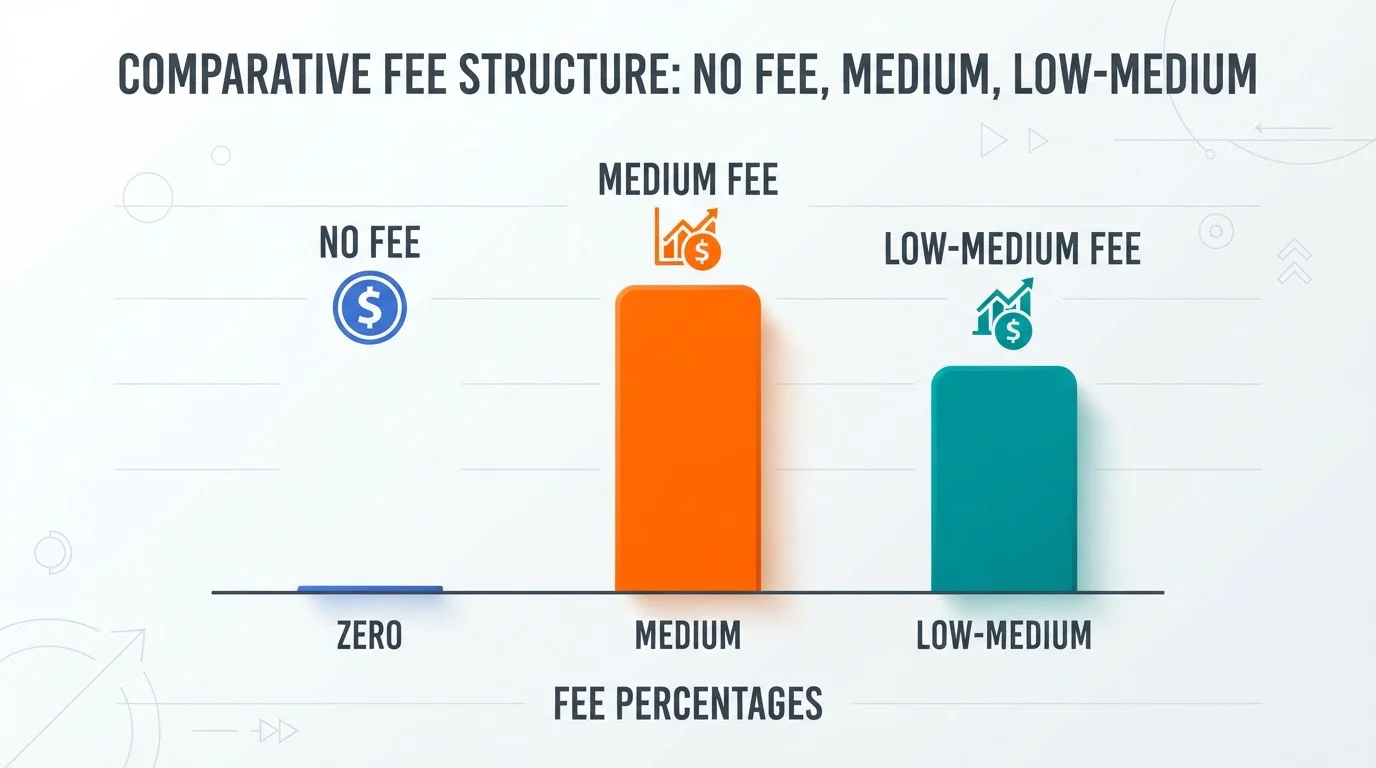
The comparison table in the previous section provides a snapshot. This section explains the numbers behind each method and flags where advertised claims diverge from real-world outcomes.
PayID deposits are free at most offshore casinos and free at most Australian banks. The NPP’s infrastructure cost is roughly four cents per transaction as of the 2024–25 financial year, low enough that neither banks nor casinos pass it through to customers. The exception is banks that impose monthly account fees with transaction limits—once you exceed the included transactions, additional PayID transfers may incur a small charge, typically twenty to fifty cents. Check your bank’s fee schedule.
PayID daily limits default to one thousand to ten thousand Australian dollars depending on your bank and account type. These limits are adjustable in your banking app. If you want to deposit more than the default, increase your daily limit before initiating the transfer. Some banks require you to call or visit a branch to adjust limits above a certain threshold—Commonwealth Bank, for example, allows app-based adjustments up to ten thousand dollars but requires phone verification for higher limits.
Apple Pay and Google Pay fees depend on the casino. Some operators absorb the cost and charge zero fees. Others pass through a processing fee of one to three percent. The fee is disclosed at the deposit screen before you confirm. If the casino charges a fee, compare it to PayID—zero percent beats three percent unless the convenience of biometric authentication outweighs the cost.
Apple Pay and Google Pay deposit limits are tied to your card’s transaction limit, not a separate daily cap. If your debit card has a two-thousand-dollar daily limit, that limit applies to Apple Pay deposits. Some banks impose lower limits on mobile wallet transactions than on physical card transactions—check with your issuer.
Neosurf purchase fees are the most expensive in this comparison. A ten-dollar voucher costs eleven dollars fifty at most retailers—a fifteen percent fee. A one-hundred-dollar voucher costs one hundred three dollars fifty—a 3.5 percent fee. The fee structure is regressive, penalising smaller denominations. If you plan to use Neosurf regularly, buy larger denominations to minimise the percentage cost.
Some offshore casinos also charge a conversion fee for Neosurf deposits, typically zero to three percent. This is separate from the purchase fee you already paid at the retailer. The total cost of a Neosurf deposit can reach eighteen percent if you buy a small-denomination voucher at a high-fee retailer and the casino charges a three percent conversion fee on top. That is significantly more expensive than PayID’s zero percent or crypto’s one to two percent blockchain fee.
Cryptocurrency fees split into two categories—blockchain fees and exchange fees. Blockchain fees are paid to miners or validators to process your transaction. Bitcoin fees range from one to ten Australian dollars depending on network congestion. Ethereum fees range from two to twenty dollars depending on gas prices. Stablecoins on cheaper blockchains like Tron cost under a dollar. These fees are unavoidable and visible when you broadcast the transaction from your wallet.
Exchange fees apply when you buy or sell cryptocurrency. Australian exchanges like Independent Reserve and Swyftx charge maker-taker fees ranging from 0.1 to 0.5 percent per trade. If you deposit five hundred Australian dollars via Bitcoin, you pay exchange fees to convert AUD to BTC, blockchain fees to send BTC to the casino, blockchain fees to withdraw BTC from the casino, and exchange fees to convert BTC back to AUD when you cash out. The round-trip cost is typically two to five percent depending on exchange fees and blockchain conditions at the time of each transaction.
Processing times are summarised in the table, but real-world variance matters. PayID deposits settle in under sixty seconds in optimal conditions. Some casinos credit instantly. Others batch PayID deposits every few minutes, introducing a delay of five to ten minutes. If the casino advertises instant PayID deposits and you wait more than two minutes, contact support—it is usually a technical issue on their side.
PayID withdrawals are advertised as one to four hours, but the range is wide. Well-run casinos with efficient compliance teams process PayID withdrawals in under an hour. Understaffed or slow casinos take four to twenty-four hours. The NPP itself is instant—the delay is entirely casino-side approval. If a casino consistently takes longer than four hours for PayID withdrawals, that is a red flag about their operational efficiency or financial stability.
Cryptocurrency deposit times depend on the blockchain and the casino’s confirmation requirements. Bitcoin transactions typically confirm in ten minutes per block. If the casino requires three confirmations, expect thirty minutes. Ethereum confirms faster—roughly twelve seconds per block—but casinos often require more confirmations due to Ethereum’s lower block time. Six Ethereum confirmations take about seventy seconds. Twelve confirmations take about two and a half minutes. In practice, most casinos credit Bitcoin deposits in ten to thirty minutes and Ethereum deposits in two to five minutes.
Cryptocurrency withdrawal times are longer because casino approval is the bottleneck. Twelve to forty-eight hours is typical. Some casinos process crypto withdrawals in under six hours. Others take several days. The blockchain confirmation after casino approval is fast—ten to sixty minutes depending on the coin and the fee you attach to the transaction.
Which mobile payment method has the lowest fees in Australia?
PayID has the lowest fees for Australian mobile casino deposits. Most offshore casinos charge zero fees for PayID deposits, and most Australian banks charge zero fees for PayID transfers. The New Payments Platform’s infrastructure cost is roughly four cents per transaction, low enough that neither party passes it through. Cryptocurrency has low fees if you already hold coins—blockchain fees range from one to ten Australian dollars for Bitcoin. If you need to buy crypto first, exchange fees add 0.1 to 0.5 percent per trade. Neosurf has the highest fees, ranging from 3.5 to fifteen percent depending on voucher denomination, plus potential casino conversion fees of zero to three percent.
Is PayID safe for online casino deposits?
PayID is as safe as any bank transfer for online casino deposits. The New Payments Platform uses the same security infrastructure as traditional Australian bank transfers, with the added benefit that PayID shows the recipient’s registered name before you confirm the payment. This prevents misdirected transfers to incorrect account numbers. The risk with offshore casino deposits is not the payment method itself—it is the counterparty. If the casino refuses to pay a withdrawal, PayID cannot reverse the deposit. Australian banking regulations protect against unauthorised transactions, but they do not cover disputes with offshore gambling operators. Use PayID at casinos with verifiable licences and documented withdrawal histories.
Mobile Casino Games and Pokies Availability
Once the deposit clears, the next question is what you can play. Offshore casinos accepting mobile payments from Australian players offer game libraries ranging from a few hundred titles to over ten thousand. Pokies dominate. Live dealer games are growing. Table games like blackjack and roulette are standard. Video poker and specialty games fill the edges.
The shift to HTML5 over the past five years eliminated most mobile compatibility issues. Older Flash-based games do not load on modern smartphones without browser plugins that no longer exist. HTML5 games load directly in mobile browsers or casino apps with no additional software. Game providers like Pragmatic Play, NetEnt, Evolution Gaming, Play’n GO, and Microgaming build for mobile-first audiences now. Loading times and responsiveness vary by provider and casino, but most titles function smoothly on mid-range Android and iOS devices.
Pokies account for seventy to eighty percent of game libraries at Australian-facing offshore casinos. Themes range from generic fruit machines to licensed properties based on films, television shows, and musicians. Volatility ranges from low—frequent small wins, slower bankroll swings—to high—rare large wins, faster depletion. Return-to-player percentages are published by providers and range from ninety-four to ninety-eight percent for most modern pokies. That figure represents long-term expected return, not session outcomes.
Live dealer games stream from studios in Europe, Latin America, and Asia. Roulette, blackjack, baccarat, and poker variants are standard. Evolution Gaming dominates this category with the widest variety of tables and the highest production quality. Pragmatic Play Live is the second-largest provider serving Australian players. Live dealer games require stable mobile internet—4G or Wi-Fi. Streaming over 3G results in buffering and disconnects.
Bonuses are a separate topic, but worth noting here because they affect game access. Most offshore casino welcome bonuses restrict which games count toward wagering requirements. Pokies usually contribute one hundred percent of each bet toward clearing the bonus. Table games and live dealer games contribute ten to twenty percent, or are excluded entirely. If you deposit via PayID to claim a two-hundred-percent bonus, then spend your bankroll on live blackjack, you may find the bonus forfeited because blackjack bets did not contribute to the wagering requirement. Read the terms before accepting a bonus.
Bonuses and Promotions for Mobile Deposits
Offshore casinos competing for Australian players offer welcome bonuses ranging from modest to absurd. One-hundred-percent match bonuses up to five hundred to one thousand Australian dollars are common. Two-hundred to five-hundred-percent matches appear at aggressive operators. Free spins packages range from fifty to three hundred fifty spins. No-deposit bonuses of ten to one hundred Australian dollars exist but are rare.
The “free” money is not free. Wagering requirements apply—typically thirty-five to fifty times the deposit plus bonus amount. If you deposit one hundred dollars and receive a one-hundred-percent match, you have two hundred dollars in your account. A thirty-five-times wagering requirement means you must wager seven thousand dollars before you can withdraw any winnings derived from the bonus. That is not seven thousand dollars in profit—it is seven thousand dollars in total bets. On a pokie with a four-percent house edge, you lose two hundred eighty dollars on average to clear seven thousand dollars in wagering. If you started with two hundred dollars, clearing the bonus leaves you below your starting balance unless you hit a big win.
Bonuses are marketing tools, not gifts. The economics only favour the player if you were planning to deposit and wager that amount anyway, and the bonus gives you extra spins or hands to play with. If you deposit specifically to claim the bonus and would not have wagered that volume otherwise, the house edge grinds you down faster than the bonus value compensates.
Payment method exclusions are common. Some casinos exclude Skrill and Neteller deposits from bonus eligibility. PayID, Apple Pay, Google Pay, Neosurf, and crypto are rarely excluded, but check the terms before depositing. If you fund via Neosurf to claim a bonus and discover afterward that Neosurf deposits do not qualify, you have no recourse.
No-wagering bonuses exist but are uncommon. These are smaller—typically ten to fifty Australian dollars or twenty to fifty free spins—with no rollover requirement. Winnings are withdrawable immediately after the bonus is used. The trade-off is size. A no-wagering twenty-dollar bonus is worth more in expected value than a one-hundred-percent match bonus with fifty-times wagering, but it feels less impressive in marketing copy.
The cleanest approach is to treat bonuses as optional. Deposit the amount you planned to wager regardless of promotions. If the bonus terms are reasonable—low wagering multiples, high game contribution percentages, realistic time limits—take it. If the terms are punitive—sixty-times wagering, table games excluded, seven-day expiry—skip it and play with your cash balance. Offshore casinos structure bonuses to generate wagering volume, not to gift money. The player edge comes from game selection and bankroll management, not from chasing inflated welcome packages.
Choosing the Right Mobile Payment Method for Your Needs
Five methods, five use cases. The decision matrix is simpler than the volume of information above suggests.
For Speed and Convenience: PayID
If you want the fastest deposit and the fastest withdrawal with the lowest fees, PayID is the answer. Sub-sixty-second deposits, one-to-four-hour withdrawals, zero fees at most banks and casinos, bi-directional support. The trade-off is that your bank sees every transaction. If that does not concern you, PayID is the default choice.
Use PayID when speed matters more than anonymity, when you want one payment method for both deposits and withdrawals, and when you bank with an institution that does not block gambling transactions. Commonwealth Bank, NAB, Westpac, and ANZ all support PayID for offshore casino deposits, though individual account restrictions vary.
For iOS Users: Apple Pay (Deposits) + PayID (Withdrawals)
If you are an iPhone user and value the deposit experience over withdrawal speed, pair Apple Pay deposits with PayID withdrawals. Apple Pay funding takes under thirty seconds with Face ID authentication. No card numbers typed, no third-party forms. The convenience is unmatched. The limitation is that you must switch to PayID when you cash out.
This pairing works if you deposit frequently but withdraw infrequently. If you deposit and withdraw multiple times per session, the method-switching friction becomes annoying. In that case, use PayID for both.
For Anonymity: Neosurf or Crypto
If you want no gambling transactions on your bank statement, Neosurf or cryptocurrency are the options. Neosurf vouchers purchased with cash at Coles appear as a retail transaction, not a gambling merchant code. The casino deposit is disconnected from your bank entirely. The cost is a 3.5-to-fifteen-percent purchase fee and deposit-only functionality. Withdrawals will require PayID, bank transfer, or crypto, which reintroduces a banking trail unless you withdraw via crypto.
Cryptocurrency offers higher anonymity than Neosurf because both deposits and withdrawals route through the blockchain with no Australian financial institution involved. The cost is technical complexity—wallet setup, exchange accounts, understanding addresses and fees—and price volatility. If the exchange rate drops between deposit and withdrawal, your AUD-denominated balance shrinks even if your Bitcoin amount stays the same.
Use Neosurf when you want anonymity on the deposit side and are comfortable with a small purchase fee. Use crypto when you want anonymity on both deposit and withdrawal sides and are comfortable with technical setup and price risk.
For Full Control: Cryptocurrency
If you already hold cryptocurrency and understand how wallets and blockchains work, crypto deposits and withdrawals offer the most control. No bank can block your transactions. No payment processor can freeze your account. The casino cannot reverse a deposit once it is confirmed on the blockchain. Withdrawals are final once broadcast. The autonomy appeals to players who treat offshore casino gambling as a privacy-first activity.
The barrier to entry is higher than any other method. If you do not already have a wallet and coins, acquiring them requires signing up for an Australian exchange, completing KYC, buying Bitcoin or Ethereum, transferring to a self-custody wallet, then depositing at the casino. For experienced crypto users, this is routine. For new users, it is a multi-day learning curve. Do not choose crypto for your first offshore casino deposit unless you are prepared to invest time in understanding how it works.
—
Mobile casino deposits in Australia do not happen via phone bills. They happen via payment rails built for other purposes and co-opted by offshore operators serving a grey market. PayID was designed for everyday bank transfers. Apple Pay and Google Pay were designed for contactless retail purchases. Neosurf was designed for anonymous online payments across Europe. Cryptocurrency was designed to bypass financial intermediaries entirely. All of them work for casino deposits because the infrastructure is open and the operators are offshore.
The choice between them depends on whether you prioritise speed, cost, anonymity, or control. PayID wins on speed and cost. Apple Pay and Google Pay win on deposit convenience for iPhone and Android users. Neosurf wins on retail-level anonymity. Crypto wins on full-stack privacy and autonomy. None of them charge your deposit to a phone bill, because that product does not exist in Australia. What does exist is faster, cheaper, and more flexible than carrier billing ever was in the UK. The task is understanding which method fits your priorities, not lamenting the absence of a product that was never coming.
Casino Deposit Methods Australia 2026 — Compared
Content created by the «Bankroll» team